An eviction process by state can move at wildly different speeds depending on where you live. Some states give you as little as 3 days to pay overdue rent before your landlord can file in court; others give you 14 days and several chances to fix the problem. A few states let a landlord skip the warning entirely. If you have just been handed a notice, the single most important thing to know is exactly how your state’s eviction process works and how much time you really have. This plain-English guide breaks down the eviction process by state for all 50 states so you can act before the clock runs out.
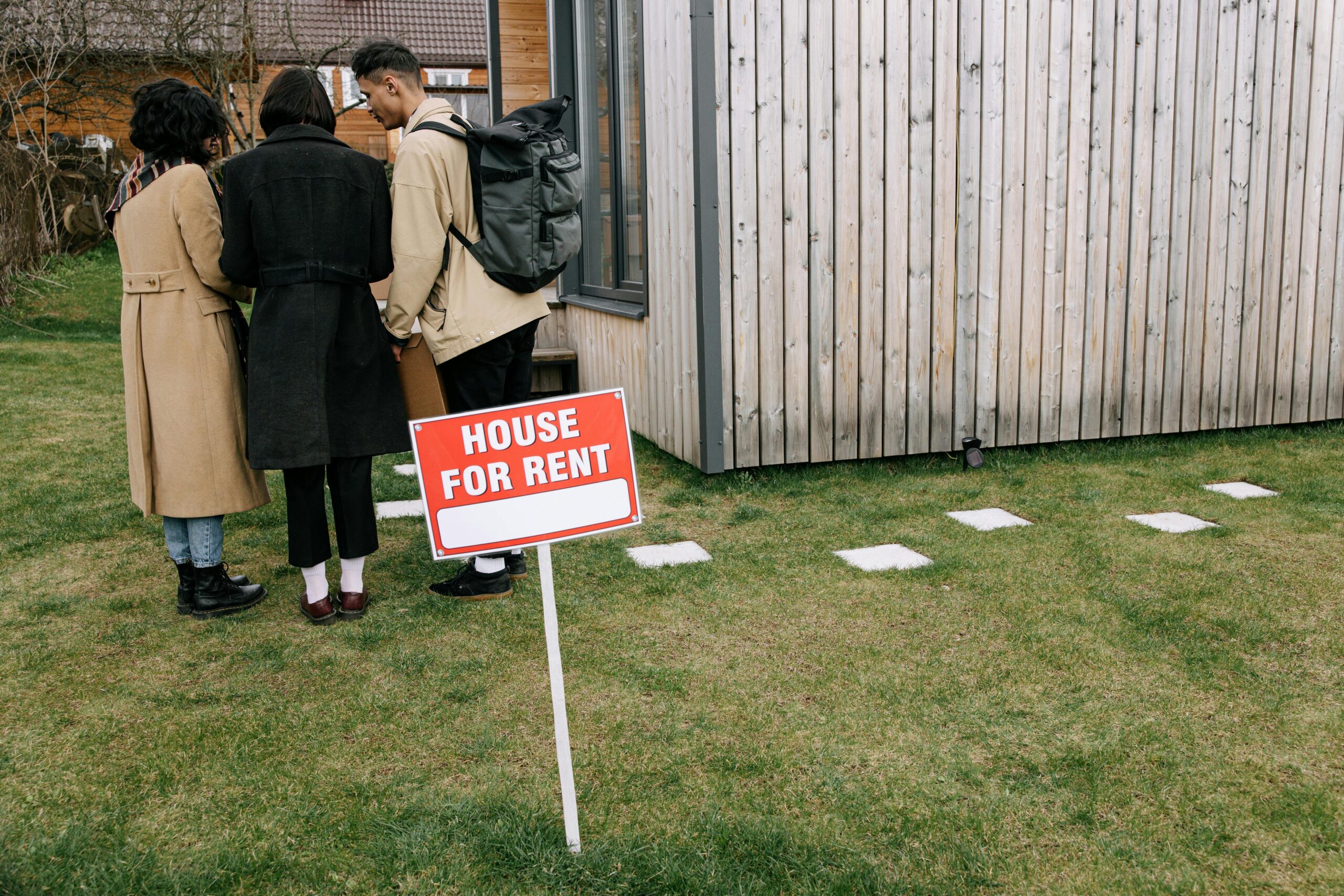
Click any state below to read its full eviction process guide, with the exact notice periods, court steps, and tenant defenses for that state.
Quick Facts — U.S. Eviction Process by State (2026)
- No landlord may legally evict you without going through the courts — “self-help” lockouts and utility shutoffs are illegal in all 50 states
- For unpaid rent, notice periods run from as little as 3 days (California, Texas, Florida, and many others) to 14 days (Massachusetts, Minnesota, New York, Tennessee, Vermont, Washington)
- West Virginia is the harshest state — a landlord can file for eviction immediately, with no notice and no chance to fix the problem
- In about 7 states (West Virginia, Louisiana, Missouri, Ohio, South Dakota, Wyoming, and New Jersey) a landlord can use an “unconditional quit” notice, meaning you may not be able to pay to stop the eviction
- The court case has different names by state — most call it “unlawful detainer” or “forcible entry and detainer,” while others use “summary process,” “summary ejectment,” or simply “eviction”
- An uncontested eviction usually takes 4 to 8 weeks; a contested one can stretch to several months in tenant-protective states like New York and California
- Filing a written answer with the court is often the single most powerful thing a tenant can do to slow down or stop an eviction
Eviction Process by State — All 50 States Compared
The table below shows the core of the eviction process by state for all 50 states. Here is what each column means:
Nonpayment Notice = how many days a landlord must give you to pay overdue rent (or move) before filing an eviction for unpaid rent.
Lease-Violation Cure = how many days you get to fix a non-rent lease violation (an unauthorized pet, an extra occupant, and so on) before a landlord can file. “Quit notice” means the state lets the landlord demand you move without a chance to fix it; “Immediate” means no cure period applies.
Lawsuit Name = what your state calls the eviction court case, so you recognize the paperwork when it arrives.
Pay to Stop? = whether paying what you owe will halt a nonpayment eviction. “No” marks the unconditional-quit states where payment may not save your tenancy.
| State | Nonpayment Notice | Lease-Violation Cure | Lawsuit Name | Pay to Stop? |
|---|---|---|---|---|
| Alabama | 7 days | 7 days | Unlawful detainer | Yes |
| Alaska | 7 days | 10 days | Forcible entry & detainer | Yes |
| Arizona | 5 days | 5–10 days | Forcible detainer | Yes |
| Arkansas | 3 days | 14 days | Unlawful detainer | Limited |
| California | 3 days | 3 days | Unlawful detainer | Yes |
| Colorado | 10 days | 10 days | Forcible entry & detainer | Yes |
| Connecticut | 9 days | 15 days | Summary process | Yes |
| Delaware | 5 days | 7 days | Summary possession | Yes |
| Florida | 3 days | 7 days | Eviction (possession) | Yes |
| Georgia | 7 days | Quit notice | Dispossessory | Yes |
| Hawaii | 5 days | 10 days | Summary possession | Yes |
| Idaho | 3 days | 3 days | Unlawful detainer | Yes |
| Illinois | 5 days | 10 days | Forcible entry & detainer | Yes |
| Indiana | 10 days | Quit notice | Eviction (possession) | Yes |
| Iowa | 3 days | 7 days | Forcible entry & detainer | Yes |
| Kansas | 3 days | 14 days | Eviction (possession) | Yes |
| Kentucky | 7 days | 15 days | Forcible detainer | Yes |
| Louisiana | Quit notice | 5 days | Rule to vacate | No |
| Maine | 7 days | 7 days | Forcible entry & detainer | Yes |
| Maryland | 10 days | 30 days | Failure to pay rent | Yes |
| Massachusetts | 14 days | 30 days | Summary process | Yes |
| Michigan | 7 days | 7 days | Summary proceedings | Yes |
| Minnesota | 14 days | Immediate | Eviction (possession) | Yes |
| Mississippi | 3 days | 14 days | Eviction (possession) | Yes |
| Missouri | Quit notice | 10 days | Rent & possession | No |
| Montana | 3 days | 14 days | Forcible entry & detainer | Yes |
| Nebraska | 7 days | 14 days | Eviction (restitution) | Yes |
| Nevada | 7 days | 5 days | Summary eviction | Yes |
| New Hampshire | 7 days | 30 days | Eviction (possession) | Yes |
| New Jersey | Quit notice | 3 days | Eviction (possession) | Yes |
| New Mexico | 3 days | 7 days | Unlawful detainer | Yes |
| New York | 14 days | 10 days | Summary proceeding | Yes |
| North Carolina | 10 days | Quit notice | Summary ejectment | Yes |
| North Dakota | 3 days | 3 days | Eviction (possession) | Yes |
| Ohio | Quit notice | 3 days | Forcible entry & detainer | No |
| Oklahoma | 5 days | 10 days | Forcible entry & detainer | Yes |
| Oregon | 10 days | 14 days | Forcible entry & detainer | Yes |
| Pennsylvania | 10 days | 15 days | Eviction (possession) | Yes |
| Rhode Island | 5 days | 20 days | Eviction (possession) | Yes |
| South Carolina | 5 days | 14 days | Ejectment | Yes |
| South Dakota | 3 days | 3 days | Forcible entry & detainer | No |
| Tennessee | 14 days | 14 days | Detainer (FED) | Yes |
| Texas | 3 days | 3 days | Forcible entry & detainer | Limited |
| Utah | 3 days | 3 days | Unlawful detainer | Yes |
| Vermont | 14 days | 30 days | Ejectment | Yes |
| Virginia | 5 days | 21 days | Unlawful detainer | Yes |
| Washington | 14 days | 10 days | Unlawful detainer | Yes |
| West Virginia | Immediate | Immediate | Wrongful occupation | No |
| Wisconsin | 5 days | 5 days | Eviction (FED) | Yes |
| Wyoming | 3 days | 3 days | Forcible entry & detainer | No |
Notice periods reflect the standard rule for a typical tenancy; some states shorten them for serious violations or repeat offenses, and lengthen them for certain protected tenants. “Limited” in the Pay-to-Stop column means the state allows payment to stop the case only in narrow circumstances. Always confirm the current rule in your state guide below.
Eviction Process by State — How the Steps Work
No matter which state you live in, the eviction process by state follows the same basic sequence — only the timing changes. First, the landlord must serve a written notice (a “pay or quit” notice for unpaid rent, or a “cure or quit” notice for a lease violation). If you do not pay, fix the problem, or move out by the deadline, the landlord files an eviction lawsuit with the local court. Under the eviction process by state, you then receive a summons and complaint telling you when to respond and when to appear.
From there, you usually have a set number of days to file a written answer with the court. This step matters enormously: in many states the hearing cannot move forward until your response deadline passes, and filing an answer is your chance to raise defenses like improper notice, a landlord’s failure to make repairs, or retaliation. If the judge rules for the landlord, the court issues a judgment for possession, and only then can a sheriff or constable carry out the physical move-out — never the landlord personally.
Eviction Process by State — Notice Periods
The first and most time-sensitive part of any eviction process by state is the notice period. For unpaid rent, the most common deadline is just a few days. California, Texas, Florida, Idaho, Iowa, Mississippi, and several others use a 3-day pay-or-quit notice, while Massachusetts, Minnesota, New York, Tennessee, Vermont, and Washington give a more generous 14 days.
Lease-violation notices tend to run longer, because states give tenants a chance to “cure” (fix) the problem. A handful of states — including West Virginia, Minnesota, Indiana, and North Carolina — let a landlord skip the cure period and demand that you simply move out. The key takeaway is that the moment you receive any notice, your clock has already started. Reading the notice carefully and counting the days correctly is the first thing every tenant should do.
Eviction Process by State — Can You Pay to Stop It?
For most renters, the urgent question is whether paying the overdue rent will make the eviction go away. In most states the answer is yes: if you pay the full amount owed (sometimes plus court costs) before a deadline, the case is dismissed and you keep your home. New York, New Hampshire, and several others spell this “right to redeem” out clearly in their statutes.
But a small group of states is far less forgiving. In West Virginia, Louisiana, Missouri, Ohio, South Dakota, Wyoming, and certain New Jersey cases, a landlord can use an “unconditional quit” notice — meaning even if you offer the money, the landlord is not required to take it and the eviction can proceed. If you live in one of these states, paying fast and getting written confirmation, or talking to a local legal-aid office immediately, is critical. Your state eviction guide explains exactly which rule applies to you.
Eviction Process by State — How Long It Takes
Timelines under each eviction process by state vary widely. An uncontested eviction — one where the tenant does not file an answer or show up — often wraps up in about 4 to 8 weeks from the first notice to the sheriff’s lockout. Landlord-friendly states with streamlined courts, like Texas, Indiana, and Georgia, can move even faster, sometimes in as little as 2 to 4 weeks.
Tenant-protective states run much slower under their eviction process by state. In New York, California, and New Jersey, a contested eviction can take several months because of mandatory court appearances, settlement conferences, and the tenant’s ability to request delays. Wherever you live, contesting the case in writing almost always buys you more time, and that time can be the difference between scrambling and finding a stable next step.
Find Your State Eviction Guide
Ready to look up the eviction process by state for your specific state? Click any state name in the table above for its complete guide, or jump to a related topic below.
Browse All 50 State Eviction Guides →
Official Sources
- HUD: hud.gov — U.S. Department of Housing and Urban Development, tenant rights and eviction protections
- Consumer Financial Protection Bureau: consumerfinance.gov — help if you are facing eviction or rental debt
- State courts & legislatures: each state’s official statutes and court self-help portals, linked inside the individual state guides
- Legal Services Corporation: lsc.gov — find free local legal aid and eviction-defense help
Eviction process by state data compiled from official state statutes, state court self-help resources, and established legal-reference sources. Notice periods, court procedures, and the names of eviction actions change as legislatures amend the law. Click any state above for its verified guide with current figures. Last reviewed June 2026.
Disclaimer: This page is for general informational purposes only and is not legal advice. No attorney-client relationship is created by reading it. Eviction laws vary by state and city and change over time, and an eviction can move quickly. For advice about your specific situation, consult a licensed attorney or your local tenant-rights or legal-aid organization right away.