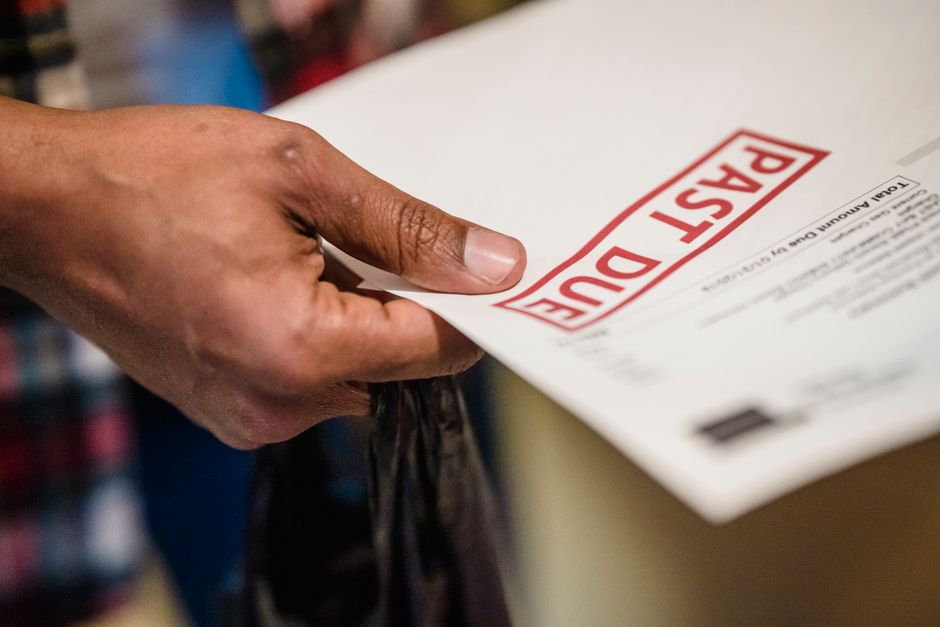
Got an eviction notice and feeling panicked? Take a breath. This is not the end. You have legal rights, and in most cases, you have time to respond. Thousands of tenants across the country have been exactly where you are right now — and many of them stayed in their homes. The key is knowing what to do next and acting quickly.
Is This Even Legal? Your Rights When You Got an Eviction Notice
When you got an eviction notice, the first thing to know is that your landlord cannot just kick you out. They must follow a legal process. In every state, that process starts with a written notice and ends with a court order — only a judge can order you to leave. If your landlord tries to change the locks, shut off utilities, or remove your belongings without a court order, that is an illegal eviction. You may be able to sue for damages.
However, the rules for how much time you get vary widely by state. Some states give you just 3 days to pay rent or move. Others give you 14 days or more. For example, New York’s Good Cause Eviction Law requires landlords to send a 5-day reminder notice by certified mail before even starting the 14-day clock. Knowing your state’s rules is critical when you got an eviction notice.
| State | Notice Type | Days to Respond | Key Statute |
|---|---|---|---|
| California | Pay or quit | 3 days | Cal. Civ. Proc. § 1161 |
| New York | Pay or quit | 14 days (plus 5-day pre-reminder) | N.Y. Real Prop. Acts § 711(2) |
| Florida | Pay or quit | 3 days (excludes weekends/holidays) | Fla. Stat. § 83.56 |
| Washington | Pay or quit | 14 days | RCW 59.18.630 |
| Pennsylvania | Pay or quit | 10 days | 68 Pa. Cons. Stat. § 250.501 |
| Ohio | Pay or quit | 3 days | Ohio Rev. Code § 1923.04 |
What to Do Right Now (Step by Step)
If you just got an eviction notice, here is exactly what to do. First, read the entire notice carefully. Look for the type of notice, the reason listed, the deadline to respond, and how it was delivered. Write down today’s date and the date you received it. Second, figure out if the notice is even valid. Many eviction notices have errors — wrong notice period, missing dollar amounts, or improper delivery. A defective notice can get a case thrown out of court.
Third, if the notice is for unpaid rent and you can pay, pay it within the deadline. Get a receipt. In most states, paying in full stops the eviction cold. Fourth, if you cannot pay or the notice is for a lease violation, contact a legal-aid office immediately. Do not wait until you get court papers. Many tenants who got an eviction notice and acted fast were able to negotiate, get more time, or have the case dismissed entirely.
How to Protect Yourself in Writing
Everything you do after you got an eviction notice should be documented. If you pay rent, get a written receipt — a bank statement or money order stub works too. If you fix a lease violation, take dated photos before and after. If you communicate with your landlord, do it in writing. Text messages and emails create a paper trail that holds up in court.
If you believe the eviction is retaliatory or discriminatory, write down the timeline. For example, did you file a complaint about mold or broken heat, and then got an eviction notice shortly after? That pattern matters. In most states, it is illegal for a landlord to evict you for reporting health and safety violations. As a result, courts often dismiss retaliation-based evictions if you can show the connection.
Send any written responses by certified mail with return receipt requested. Keep copies of everything — the original notice, your response, photos, repair requests, and rent receipts. If your case ends up in court, this paper trail is your best defense. Typically, the tenant with better records wins.
Common Defenses That Work When You Got an Eviction Notice
Many tenants do not realize they can fight back. If you got an eviction notice, you may have one or more legal defenses. The most common winning defense is improper notice — your landlord did not follow the correct legal steps. For example, if California law requires a 3-day notice and your landlord only gave you 2 days, the judge may dismiss the case.
Other strong defenses include retaliation (you complained about repairs and then got an eviction notice), discrimination under the Fair Housing Act, and the habitability defense. The habitability defense applies when your apartment has serious problems like no heat, no hot water, major mold, or pest infestations. In those situations, many courts will reduce or eliminate the rent you owe. However, you should always consult a local legal-aid attorney before relying on any defense.
When to Get Help (Legal Aid or an Attorney)
If you got an eviction notice and the deadline is short — 3 to 5 days — contact a legal-aid office today. Do not wait. Many areas have free tenant defense programs, and some cities now have right-to-counsel laws that guarantee you a free attorney in eviction court. These programs exist because tenants with lawyers are far more likely to stay in their homes.
To find help, search for “[your county] legal aid tenant rights” or call 211, which connects you to local social services in most areas. You can also visit LegalServicesCorpration.org to find a legal-aid office near you. If you got an eviction notice and you are low-income, disabled, elderly, or a domestic violence survivor, you may qualify for priority assistance.
Even if you think you cannot win, talk to someone first. Legal-aid attorneys see these cases every day. They know which landlord mistakes lead to dismissals. They can also help you negotiate more time to move if that becomes necessary. In most cases, getting advice costs nothing and can change the outcome dramatically.
📨 Get Free Tenant Rights Guides Alerts
Free · No spam · Unsubscribe anytime
Frequently Asked Questions
Can my landlord lock me out or shut off my utilities after giving me an eviction notice?
No. In every state, only a court can order you to leave. If your landlord changes the locks, removes your belongings, or shuts off water or electricity to force you out, that is an illegal “self-help” eviction. You may be able to sue for damages and, in some states, collect penalties. Call the police or a legal-aid office immediately if this happens.
I got an eviction notice but I already paid rent. What do I do?
Gather your proof of payment — bank statements, money order receipts, or canceled checks. If you paid on time and in full, the eviction notice may be invalid. Send your landlord a written response with copies of your proof, and contact a legal-aid office. Typically, a judge will dismiss an eviction if you can show the rent was paid.
Does an eviction notice go on my record?
An eviction notice alone does not go on your record. However, if your landlord files a court case, that filing may appear on tenant screening reports — even if you win. Some states have passed laws to seal dismissed eviction cases. Check with your local court or a tenant attorney to understand your state’s rules on eviction record sealing.
Protect your stuff while you sort this out
A landlord’s insurance does not cover your belongings — renters insurance does, often for a few dollars a month. Compare options before your next move.
Find Your State’s Exact Rules
Notice periods, deposit caps, and the eviction timeline all change from state to state. Pick your state to see the exact days, dollar limits, and steps that apply where you live.
See Tenant Rights in All 50 States →
Sources & How to Verify
The rules on this page are drawn from official government and legal-aid sources. Tenant law changes, so always confirm the exact rule with your state’s statute or a local legal-aid office.
- HUD: hud.gov — federal renter protections and fair housing
- Legal Services Corporation: lsc.gov — find free legal aid in your state
- Cornell Legal Information Institute: law.cornell.edu/wex — plain-English legal definitions
- Your state statute & court self-help portal: search “[your state] landlord tenant act” and “[your state] court self-help eviction” for the exact law and forms
Content last reviewed June 2026. If you notice outdated information, please contact us.
Related Guides
- Tenant Rights by State (50-State Guide)
- More in This Category
- Tenant Scenarios — What to Do When…
- Notices, Letters & Documents
- Comparison Guides
- Tenant Rights Legal Glossary
Informational only — not legal advice. Tenant Rights Info is an independent educational resource, not a law firm, and this page does not provide legal advice. Landlord-tenant law varies by state and city and changes over time, so always verify the exact rule with your state’s statute, your local court’s self-help portal, or a legal-aid office. For urgent situations like an active eviction, contact a local legal-aid office or a licensed tenant attorney in your state right away.