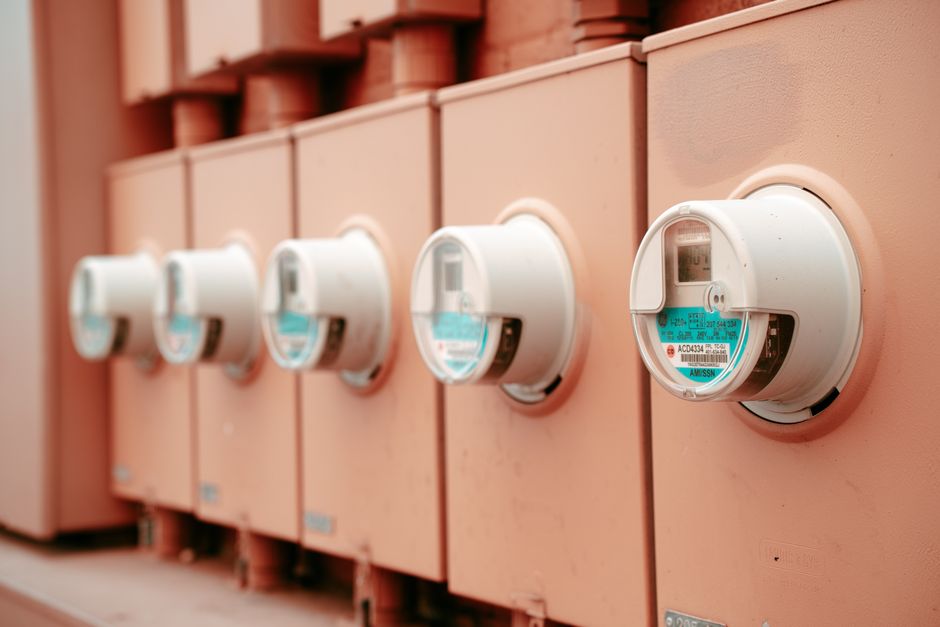
Landlord shut off utilities is one of the most stressful things a renter can face. If your heat, water, or electricity suddenly stops working because your landlord cut the service, take a breath. This is fixable. In almost every state, you have strong legal rights that protect you from exactly this situation. Your landlord cannot legally force you out by making your home unlivable.
Is This Even Legal? Your Rights When Landlord Shut Off Utilities
In short: no, it is not legal. Every state bans landlords from using utility shutoffs to push tenants out. This is true even if you owe back rent. Even if your lease has expired. A landlord must go through the court eviction process. They cannot skip it by cutting your water or power. When a landlord shut off utilities instead of filing in court, that is an illegal self-help eviction.
Many states have specific penalties written into law. These penalties exist to punish landlords who try this tactic and to compensate you for what you went through. In most cases, you can recover your actual out-of-pocket costs — like hotel stays, spoiled food, and medical bills — on top of the statutory penalty. As a result, landlords who shut off utilities often end up paying far more than they would have spent on a legal eviction.
Here is what the law says in several states with exact penalty amounts:
| State | Statute | Penalty for Illegal Utility Shutoff |
|---|---|---|
| California | Civil Code § 789.3 | $100 per day utilities are off (minimum $250 per violation) + actual damages + attorney’s fees |
| Texas | Property Code § 92.008 | One month’s rent + $1,000 + actual damages + attorney’s fees |
| Florida | § 83.67 | Actual damages OR 3 months’ rent, whichever is greater, + attorney’s fees |
| Washington | RCW 59.18.300 | Up to $100 per day + actual damages + attorney’s fees |
| Illinois | 765 ILCS 735 | 100% rent abatement per month; damages tripled if landlord acted knowingly |
For example, in California, if a landlord shut off utilities for just one week, the tenant could recover at least $700 in statutory damages alone — before adding hotel costs, food losses, or attorney’s fees. In Florida, the minimum recovery is three full months of rent. These are real consequences that courts enforce.
What to Do Right Now (Step by Step)
If your landlord shut off utilities today, here is what to do immediately. Stay calm and work through these steps in order:
1. Make sure it is actually your landlord. Call your utility company first. Confirm that the shutoff was not caused by a system outage, missed payment on the landlord’s account, or scheduled maintenance. Ask the utility company who requested the disconnection. If the landlord shut off utilities by canceling service or requesting disconnection, the utility company can often confirm this.
2. Contact your landlord in writing. Send a text, email, or letter demanding that utilities be restored immediately. Be specific: name which utility was shut off, the date it happened, and that you consider this an illegal self-help eviction. Keep your tone factual. Save a copy of everything you send.
3. Call your local code enforcement or housing inspector. Report the situation. Many cities treat a landlord shut off utilities complaint as an emergency code violation. An inspector may be able to order restoration the same day. Also consider filing a complaint with your state attorney general’s consumer protection division.
4. If you need immediate shelter, keep all receipts for hotel stays, meals, and any other costs caused by the shutoff. These are recoverable as “actual damages” in court. Call 2-1-1 for emergency housing resources in your area.
How to Protect Yourself in Writing
Documentation is your most powerful tool. If a landlord shut off utilities and you later need to go to court, written evidence wins cases. Start building your paper trail right now.
Send your landlord a formal written demand via certified mail with return receipt requested. In the letter, state the date the shutoff occurred, which utilities were affected, and that you are requesting immediate restoration. Reference your state’s specific statute if you know it — for example, “This shutoff violates California Civil Code § 789.3.” Keep the original receipt and a copy of the letter.
However, do not wait for the certified letter to arrive before also sending the same message by email or text. You want speed and a paper trail.
Take photos and videos of your living conditions without utilities. Screenshot any text messages from your landlord. If neighbors witnessed the shutoff or saw utility workers at the property, ask them to write a brief statement. Save every receipt for expenses caused by the shutoff — hotels, restaurants, ice for a cooler, laundromat visits. Typically, courts allow tenants to recover all reasonable costs that resulted from a landlord shut off utilities situation.
When to Get Help (Legal Aid or an Attorney)
If your landlord shut off utilities and refuses to restore them after your written demand, it is time to get legal help. This is especially urgent if you have children, elderly family members, or anyone with medical needs in the home. Do not wait more than a day or two. Courts treat utility shutoffs as emergencies, and many judges will issue an order forcing your landlord to restore service within hours of a filing.
📨 Get Free Tenant Rights Guides Alerts
Free · No spam · Unsubscribe anytime
You may be able to get free legal help. Visit LawHelp.org to find legal-aid providers in your state. You can also call 2-1-1 or visit LSC.gov to locate a Legal Services Corporation office near you. Many tenant attorneys take utility shutoff cases on contingency, meaning you pay nothing upfront. In most states, the landlord pays your attorney’s fees if you win.
If your landlord shut off utilities as retaliation — for example, after you reported a code violation or requested repairs — that adds a separate legal claim. Retaliation is illegal in every state. Tell your attorney about any complaints or requests you made before the shutoff. This strengthens your case and may increase the damages you can recover.
Frequently Asked Questions
Can my landlord shut off utilities if I owe back rent?
No. Owing rent does not give your landlord the right to cut your utilities. The only legal path to remove a tenant is through the court eviction process. A landlord shut off utilities situation is illegal regardless of whether rent is owed. Your landlord must file an eviction lawsuit and get a court order.
What if the utilities are in my landlord’s name?
It does not matter whose name is on the account. If you are a lawful tenant, your landlord cannot cancel or interrupt utility service to make you leave. In many states, the penalty is actually higher when the landlord controls the utility account, because it shows intentional action. Contact your utility company — in some areas, they can transfer the account to your name or refuse the landlord’s shutoff request.
Can I withhold rent if my landlord shut off utilities?
In many states, yes — but follow the rules carefully. Some states allow full rent withholding when essential services are cut. Others require you to put rent in an escrow account with the court. For example, Illinois allows 100% rent abatement for each month utilities are off. However, withholding rent incorrectly can give your landlord grounds for eviction. Check with a local legal-aid office before withholding rent to make sure you follow your state’s specific procedure.
Protect your stuff while you sort this out
A landlord’s insurance does not cover your belongings — renters insurance does, often for a few dollars a month. Compare options before your next move.
Find Your State’s Exact Rules
Notice periods, deposit caps, and the eviction timeline all change from state to state. Pick your state to see the exact days, dollar limits, and steps that apply where you live.
See Tenant Rights in All 50 States →
Sources & How to Verify
The rules on this page are drawn from official government and legal-aid sources. Tenant law changes, so always confirm the exact rule with your state’s statute or a local legal-aid office.
- HUD: hud.gov — federal renter protections and fair housing
- Legal Services Corporation: lsc.gov — find free legal aid in your state
- Cornell Legal Information Institute: law.cornell.edu/wex — plain-English legal definitions
- Your state statute & court self-help portal: search “[your state] landlord tenant act” and “[your state] court self-help eviction” for the exact law and forms
Content last reviewed June 2026. If you notice outdated information, please contact us.
Related Guides
- Tenant Rights by State (50-State Guide)
- More in This Category
- Tenant Scenarios — What to Do When…
- Notices, Letters & Documents
- Comparison Guides
- Tenant Rights Legal Glossary
Informational only — not legal advice. Tenant Rights Info is an independent educational resource, not a law firm, and this page does not provide legal advice. Landlord-tenant law varies by state and city and changes over time, so always verify the exact rule with your state’s statute, your local court’s self-help portal, or a legal-aid office. For urgent situations like an active eviction, contact a local legal-aid office or a licensed tenant attorney in your state right away.