How to document apartment problems is one of the most important skills any renter can learn. When something goes wrong in your apartment — mold, leaks, broken heat, pests — your landlord may ignore you, deny the problem exists, or blame you for it. Good documentation stops that.
It creates a paper trail that protects you if you ever need to withhold rent, request repairs through a housing agency, or defend yourself in court. Think of it as building your own evidence file, one photo and one date at a time.
When and Why You Need to Know How to Document Apartment Problems
You should start documenting the moment you notice something wrong. Do not wait for it to get worse. A small leak today can become a mold problem next month. If you report it early and have proof, your landlord cannot claim they never knew. In most cases, landlords are required by law to keep your apartment safe and livable. This is called the implied warranty of habitability.
Documentation matters because it shifts the conversation from “your word versus theirs” to hard evidence. For example, if your landlord refuses to fix a broken heater and you later withhold rent, a judge will want to see proof that you reported the problem and gave the landlord time to fix it. Without documentation, many tenants lose these disputes — even when they are right.
Knowing how to document apartment problems also protects your security deposit. Landlords sometimes claim damage existed before you reported it. However, if you have dated photos showing the problem started during your tenancy — and that you reported it — that argument falls apart. As a result, good documentation is your single best defense in almost every landlord-tenant dispute.
What to Include When You Document Apartment Problems
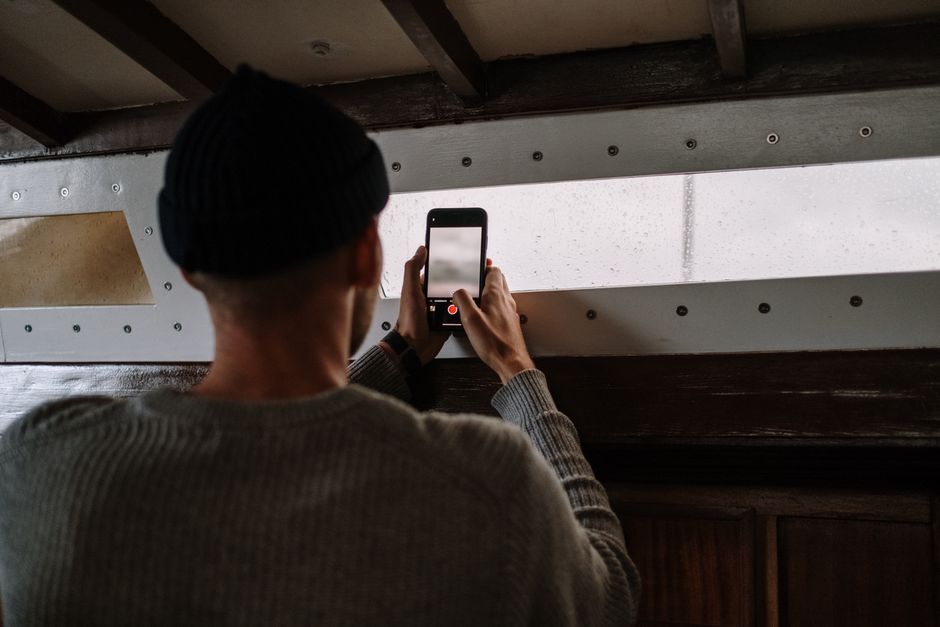
Every piece of documentation you create should include three things: the date, a description of the problem, and visual proof. Write down exactly what you see, where it is, and when you first noticed it. Take photos and video with your phone. Make sure the timestamp feature is turned on in your camera settings. If your phone does not show a visible timestamp, email the photos to yourself right away — the email creates a dated record.
Witnesses strengthen your case. If a neighbor, friend, or maintenance worker sees the problem, ask them to write a short statement. It does not need to be fancy. Their name, the date, what they saw, and their signature is enough. In most cases, a witness statement can confirm your timeline and prevent the landlord from claiming you caused the damage yourself.
Every state requires tenants to give written notice before using remedies like rent withholding or repair-and-deduct. The required notice period varies by state. Here are some examples:
| State | Written Notice Required Before Remedy | Statute |
|---|---|---|
| California | 30 days (reasonable time for non-emergencies) | Cal. Civ. Code § 1942 |
| Texas | 7 days (reasonable time); certified mail avoids need for second notice | Tex. Prop. Code § 92.056 |
| Florida | 7 days after written notice delivery | Fla. Stat. § 83.56 |
| Illinois | 14 days for repairs under $500 or half the monthly rent | 765 ILCS 742/5 |
| New York (NYC) | Reasonable time; HPD complaint via 311 if landlord ignores; DHCR complaint 10–60 days after written notice | N.Y. Real Prop. Law § 235-b |
Sample Template You Can Adapt
Below is a sample documentation letter you can send to your landlord. Learning how to document apartment problems in writing is critical because verbal complaints are hard to prove later. Adapt this template to match your state and situation.
Sample template — adapt to your state and your situation. This is an informational sample, not legal advice.
[Your Name]
[Your Address, Unit #]
[City, State, ZIP]
[Date]
[Landlord Name or Property Management Company]
[Landlord Address]
[City, State, ZIP]
Re: Written Notice of Apartment Condition Problems at [Your Address, Unit #]
Dear [Landlord Name],
I am writing to formally notify you of the following condition problems in my apartment at [Your Address, Unit #]:
Problem 1: [Describe the issue — e.g., “Water leak from the ceiling in the bedroom, directly above the bed. Brown water stain approximately 12 inches wide. Water drips actively when it rains.”]
Date first noticed: [Date]
Photos attached: [Yes/No — number of photos]
Problem 2: [Describe the next issue if applicable]
Date first noticed: [Date]
Photos attached: [Yes/No — number of photos]
I previously reported this issue verbally on [date of verbal report, if applicable]. As of today, the problem has not been repaired.
Under [your state’s statute — e.g., “Cal. Civ. Code § 1942” or “Tex. Prop. Code § 92.056”], I am requesting that these repairs be completed within [exact statute days — e.g., “30 days” or “7 days”] of your receipt of this letter.
📨 Get Free Tenant Rights Guides Alerts
Free · No spam · Unsubscribe anytime
I have attached timestamped photographs documenting the current condition. I have also retained copies of this letter and all photographs for my records.
Please contact me at [your phone number] or [your email] to schedule the repair.
Sincerely,
[Your Name]
[Date]
Witness statement (optional — attach separately):
I, [Witness Name], visited [Your Address, Unit #] on [Date] and observed [brief description of what they saw — e.g., “active water dripping from a ceiling stain in the bedroom”]. This statement is true to the best of my knowledge.
Signed: _______________
Date: [Date]
Phone or email: [Witness contact info]
How to Send It So It Counts
Knowing how to document apartment problems means nothing if you cannot prove your landlord received your notice. Always send your letter by certified mail with return receipt requested through USPS. The green return receipt card proves the date your landlord received it. In Texas, sending by certified mail means you do not need to send a second notice — it satisfies the requirement under Tex. Prop. Code § 92.056 in one step.
Keep your own complete copy of everything. That means a copy of the letter, the certified mail receipt, the return receipt card when it comes back, and all photos. Store digital copies in a cloud folder (Google Drive, Dropbox, or email them to yourself) so they cannot be lost or destroyed. Typically, organizing by date is the easiest system — one folder per incident, labeled with the date and problem type.
You can also deliver the letter by hand, but if you do, bring a witness and have the landlord sign a copy acknowledging receipt. For example, some tenants hand-deliver and then also mail a copy for backup. However, certified mail alone is the safest method in most states. If your situation is urgent — like no heat in winter or a gas leak — contact your local housing code enforcement agency or call 311 (in cities that offer it) in addition to sending the letter.
How to Document Apartment Problems: Frequently Asked Questions
Can I use my phone to take photos, or do I need a professional?
Your phone is fine. What matters is that the photos are clear, show the problem, and have a date attached. Most phone cameras embed the date automatically in the file data. For extra safety, email the photos to yourself the same day — the email timestamp creates a second dated record. You do not need a professional photographer.
What if my landlord says they never got my letter?
This is exactly why you send it by certified mail. The USPS return receipt card is legal proof of delivery. If you handed the letter in person without a witness or signature, you may have difficulty proving it. As a result, always use certified mail or get a signed acknowledgment when you deliver by hand. Many tenants in this situation may be able to file an HPD complaint or contact their local housing authority as a backup.
How long should I keep my documentation?
Keep everything for at least two years after you move out. Security deposit disputes, habitability claims, and lease violation cases can surface months after you leave. In some states, the statute of limitations for property damage claims is three to six years. Keeping cloud backups means the storage costs you nothing. When in doubt, do not delete anything.
Protect your stuff while you sort this out
A landlord’s insurance does not cover your belongings — renters insurance does, often for a few dollars a month. Compare options before your next move.
Find Your State’s Exact Rules
Notice periods, deposit caps, and the eviction timeline all change from state to state. Pick your state to see the exact days, dollar limits, and steps that apply where you live.
See Tenant Rights in All 50 States →
Sources & How to Verify
The rules on this page are drawn from official government and legal-aid sources. Tenant law changes, so always confirm the exact rule with your state’s statute or a local legal-aid office.
- HUD: hud.gov — federal renter protections and fair housing
- Legal Services Corporation: lsc.gov — find free legal aid in your state
- Cornell Legal Information Institute: law.cornell.edu/wex — plain-English legal definitions
- Your state statute & court self-help portal: search “[your state] landlord tenant act” and “[your state] court self-help eviction” for the exact law and forms
Content last reviewed June 2026. If you notice outdated information, please contact us.
Related Guides
- Tenant Rights by State (50-State Guide)
- More in This Category
- Tenant Scenarios — What to Do When…
- Notices, Letters & Documents
- Comparison Guides
- Tenant Rights Legal Glossary
Informational only — not legal advice. Tenant Rights Info is an independent educational resource, not a law firm, and this page does not provide legal advice. Landlord-tenant law varies by state and city and changes over time, so always verify the exact rule with your state’s statute, your local court’s self-help portal, or a legal-aid office. For urgent situations like an active eviction, contact a local legal-aid office or a licensed tenant attorney in your state right away.