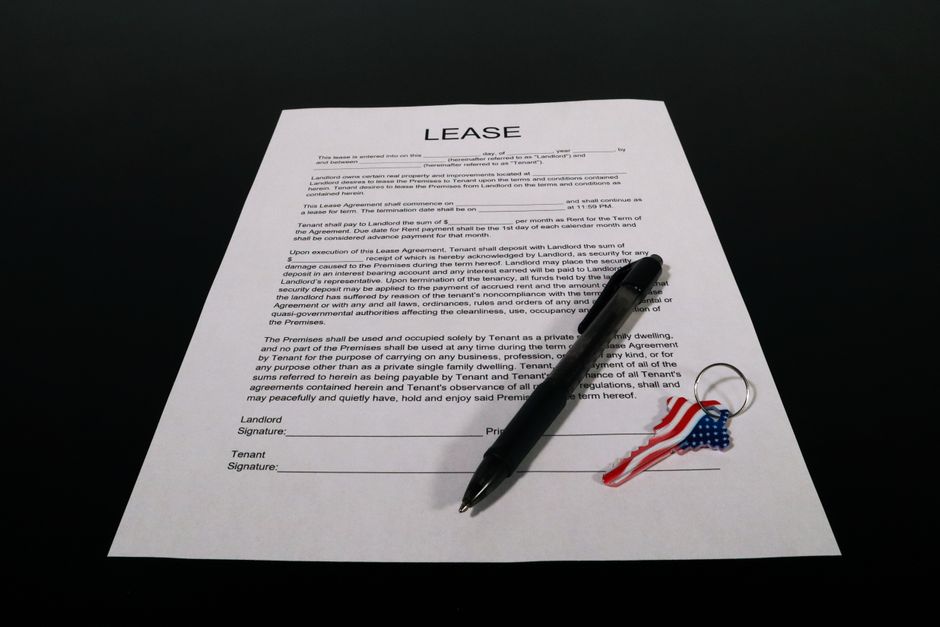
Tenant rights by state vary more than most renters realize. What protects you in California might not exist in Texas. The number of days your landlord has to return your deposit, the notice required before a rent hike, and whether you can withhold rent for repairs — all of it depends on where you live. This guide breaks down tenant rights by state across every major issue you may face as a renter in 2026, with exact deadlines, dollar figures, and statute references so you know exactly where you stand.
- Why Tenant Rights by State Matter More Than Federal Law
- Security Deposits: How Tenant Rights by State Affect Your Money
- Eviction Rules: How Tenant Rights by State Protect You From Removal
- Rent Increases: Tenant Rights by State on How Much and How Fast
- Repairs and Habitability: Tenant Rights by State for a Livable Home
- Lease Breaking: How Tenant Rights by State Handle Early Termination
- Retaliation Protection: Tenant Rights by State Against Landlord Payback
- Rent Control: Which States Cap What Landlords Can Charge
- Fair Housing: Federal Protections That Apply in Every State
- What to Do When Your Rights Are Violated
- Frequently Asked Questions About Tenant Rights by State
Why Tenant Rights by State Matter More Than Federal Law
There is no single federal law that covers everything tenants need. The Fair Housing Act bans discrimination. The SCRA protects military renters. However, the everyday rules — deposits, repairs, evictions, rent increases — come from your state legislature and sometimes your city council.
This means two apartments on opposite sides of a state border can have completely different rules. For example, New Jersey gives tenants 30 days to pay overdue rent before an eviction filing. Cross into Pennsylvania, and that window drops to 10 days. Knowing tenant rights by state is not optional — it is essential.
Throughout this guide, we link to our plain-English legal glossary whenever a legal term comes up. If a word confuses you, that glossary explains it simply.
Security Deposits: How Tenant Rights by State Affect Your Money
Your security deposit is often the first — and largest — payment you make. How much your landlord can charge, where they must store it, and how fast they must return it all depend on your state.
Some states cap the deposit. Others do not. In most cases, your landlord must return the deposit within a set number of days after you move out. If they make deductions, nearly every state requires an itemized list explaining each charge. For a full breakdown, see our 50-state security deposit guide.
Security Deposit Limits
The table below shows how tenant rights by state determine the maximum deposit your landlord can collect. As a result, moving from one state to another can change your upfront costs significantly.
| State | Maximum Deposit | Statute |
|---|---|---|
| California | 1 month’s rent | Cal. Civ. Code § 1950.5 |
| New York | 1 month’s rent | N.Y. Gen. Oblig. Law § 7-103 |
| Massachusetts | 1 month’s rent | M.G.L. ch. 186 § 15B |
| New Jersey | 1.5 months’ rent | N.J. Stat. Ann. § 46:8-21.2 |
| Arizona | 1.5 months’ rent | A.R.S. § 33-1321 |
| Pennsylvania | 2 months (year 1); 1 month after | 68 Pa. Stat. § 250.511a |
| Virginia | 2 months’ rent | Va. Code Ann. § 55.1-1226 |
| Texas | No statutory limit | Tex. Prop. Code § 92.102 |
| Florida | No statutory limit | Fla. Stat. § 83.49 |
| Ohio | No statutory limit | Ohio Rev. Code § 5321.16 |
If you live in a state with no cap, negotiate. Your landlord can legally ask for three months’ rent upfront, but you can always push back.
Security Deposit Return Deadlines and Penalties
This is where tenant rights by state can really save you money. If your landlord misses the return deadline or fails to send an itemized list of deductions, many states let you recover double or even triple the deposit.
| State | Return Deadline | Penalty for Late Return | Statute |
|---|---|---|---|
| New York | 14 days | Forfeits right to any deductions | N.Y. Gen. Oblig. Law § 7-108 |
| California | 21 days | 2× deposit in bad faith | Cal. Civ. Code § 1950.5(g) |
| Washington | 21 days | 2× deposit + attorney fees | RCW 59.18.280 |
| Texas | 30 days | 3× deposit + $100 + attorney fees | Tex. Prop. Code § 92.109 |
| Massachusetts | 30 days | 3× deposit + interest + attorney fees | M.G.L. ch. 186 § 15B(6) |
| Colorado | 30 days (up to 60 if in lease) | 3× deposit + attorney fees | C.R.S. § 38-12-103 |
| Maryland | 45 days | 3× deposit + attorney fees | Md. Code, Real Prop. § 8-203(e) |
| Virginia | 45 days | 2× deposit + attorney fees | Va. Code Ann. § 55.1-1226(E) |
Typically, the penalty kicks in only when the landlord acts in bad faith — not for honest mistakes. However, failing to send an itemized list at all usually counts as bad faith. Document your move-out condition with photos and video. That evidence is what wins deposit disputes.
Eviction Rules: How Tenant Rights by State Protect You From Removal
No landlord can throw you out on the street. Every state requires a legal process. However, the timeline varies wildly. Some states give you as little as 3 days to respond. Others give you 30. Understanding tenant rights by state is especially critical here because the clock starts ticking the moment you receive a notice.
For the full process in your state — from notice to court hearing to lockout — see our 50-state eviction guide.
Eviction Notice Periods for Nonpayment of Rent
| State | Notice Period | Can You Pay to Stop It? | Statute |
|---|---|---|---|
| California | 3 days | Yes — pay or quit | CCP § 1161(2) |
| Florida | 3 days | Yes — pay or vacate | Fla. Stat. § 83.56(3) |
| Ohio | 3 days | Yes — pay or vacate | Ohio Rev. Code § 1923.04 |
| Arizona | 5 days | Yes — pay or vacate | A.R.S. § 33-1368(B) |
| Illinois | 5 days | Yes — pay or quit | 735 ILCS 5/9-209 |
| Pennsylvania | 10 days | Yes — pay or quit | 68 Pa. Stat. § 250.501 |
| Colorado | 10 days | Yes — pay or quit | C.R.S. § 13-40-104(1)(d) |
| New York | 14 days | Yes — pay or quit | RPAPL § 711(2) |
| Washington | 14 days | Yes — pay or vacate | RCW 59.18.057 |
| New Jersey | 30 days | Yes — pay or move | N.J. Stat. Ann. § 2A:18-61.2 |
In most cases, “pay or quit” means you can stop the eviction by paying everything owed — including late fees — within the notice period. However, some states limit how many times per year you can cure a nonpayment notice. After that, the landlord may not have to give you another chance.
If you are facing eviction and cannot pay, you still have rights. You may be able to raise defenses in court, such as the landlord failing to maintain the property. Check our tenant scenario guides for step-by-step help.
Rent Increases: Tenant Rights by State on How Much and How Fast
Can your landlord double your rent overnight? In most states, the answer is technically yes — as long as they give proper notice. Only a few states cap how much rent can go up. This is one area where tenant rights by state create the biggest gaps between renters in different parts of the country.
For a complete breakdown of notice periods and caps, see our 50-state rent increase guide.
Rent Increase Notice Requirements
| State | Notice for Month-to-Month | Rent Cap? | Statute |
|---|---|---|---|
| California | 30 days (under 10%); 90 days (10%+) | Yes — 5% + CPI, max 10%/year (AB 1482) | Cal. Civ. Code § 827 |
| Oregon | 90 days | Yes — 7% + CPI/year | ORS 90.323 |
| Washington | 90 days (180 days in Seattle) | No statewide cap | RCW 59.18.140 |
| New York | 30 days (<1 yr tenancy); 90 days (>2 yr) | Yes — NYC rent stabilization | N.Y. Real Prop. Law |
| Texas | 30 days | No | No specific statute |
| Florida | 30 days | No — state preempts local rent control | Fla. Stat. § 83.46 |
| Nevada | 60 days | No | NRS § 118A.300 |
| Colorado | 30 days (under 10%); 60 days (10%+) | No statewide cap (local control allowed) | C.R.S. § 38-12-701 |
If you live in a state without rent control, your best protection is a fixed-term lease. During a lease, your landlord typically cannot raise the rent until the lease expires. Month-to-month tenants are more vulnerable to increases.
Repairs and Habitability: Tenant Rights by State for a Livable Home
Every state requires landlords to maintain rental properties in a livable condition. This is called the implied warranty of habitability. It covers basics like working heat, running water, functioning plumbing, and safe electrical systems. However, the deadlines for repairs and your options when the landlord ignores you differ by state.
For the full picture, see our 50-state repairs and habitability guide.
Repair Response Deadlines
| State | Emergency Repairs | Non-Emergency Repairs | Tenant Remedy | Statute |
|---|---|---|---|---|
| California | 24–48 hours | 30 days | Repair-and-deduct; rent withholding | Cal. Civ. Code §§ 1941–1942 |
| Washington | 24 hours | 10 days after written notice | Repair-and-deduct (up to 2 months’ rent) | RCW 59.18.070 |
| Massachusetts | 24 hours | 14 days | Repair-and-deduct; rent withholding | M.G.L. ch. 111 § 127L |
| Texas | 3 days (no water, sewage, HVAC) | 7 days after written notice | Repair-and-deduct; lease termination | Tex. Prop. Code § 92.056 |
| Arizona | Immediate/ASAP | 10 days after written notice | Repair-and-deduct (up to $300 or ½ month) | A.R.S. § 33-1363 |
| Oregon | Immediate | 30 days | Repair-and-deduct (up to 1 month’s rent) | ORS 90.365 |
Always put repair requests in writing. A text or email works — but keep a copy. In most states, your legal remedies only kick in after you have given written notice and the landlord has failed to act within the required time.
For letter templates you can use right now, visit our notices, letters, and documents library.
Lease Breaking: How Tenant Rights by State Handle Early Termination
Sometimes you need to leave before your lease is up. Every state allows early termination under certain protected circumstances. The most common are military deployment, domestic violence, and uninhabitable conditions. Beyond those, your options depend on your state’s laws and what your lease says.
For full details, see our 50-state lease-breaking guide.
Protected Reasons to Break a Lease
Under federal law (the SCRA), any active-duty servicemember can terminate a lease with 30 days’ written notice. Beyond that, tenant rights by state determine what else qualifies.
| State | Domestic Violence Early Termination? | Must Landlord Try to Re-Rent? | Statute |
|---|---|---|---|
| California | Yes — 30 days’ notice + documentation | Yes | Cal. Civ. Code § 1946.7 |
| New York | Yes — with protective order or police report | Yes | N.Y. Real Prop. Law § 227-c |
| Texas | Yes — written notice + documentation | Yes | Tex. Prop. Code § 92.016 |
| Oregon | Yes — 14 days’ notice + documentation | Yes | ORS 90.453 |
| Washington | Yes — 20 days’ notice + documentation | Yes | RCW 59.18.575 |
| Nevada | Yes — immediate with documentation | Yes | NRS § 118A.345 |
In every state listed above, the landlord has a duty to mitigate damages. That means they must make a reasonable effort to find a new tenant. They cannot simply charge you rent for the remaining months while leaving the unit empty. If they do, you may be able to challenge those charges.
Retaliation Protection: Tenant Rights by State Against Landlord Payback
You complained about a broken heater. Now your landlord is raising your rent or threatening eviction. That is retaliation — and most states ban it. However, the strength of the protection varies. Some states presume retaliation if the landlord acts within a set window after your complaint. Others put the burden on you to prove it.
📨 Get Free Tenant Rights Guides Alerts
Free · No spam · Unsubscribe anytime
| State | Presumption Window | Penalty | Statute |
|---|---|---|---|
| California | 180 days | Min. $2,000 punitive + actual damages | Cal. Civ. Code § 1942.5 |
| Texas | 6 months | 1 month’s rent + $500 + attorney fees | Tex. Prop. Code § 92.331 |
| Illinois | 1 year | 2 months’ rent + attorney fees | 765 ILCS 720/1 |
| Washington | 90 days | 3 months’ rent + actual damages | RCW 59.18.240 |
| Massachusetts | 6 months | Up to 3 months’ rent + attorney fees | M.G.L. ch. 186 § 18 |
| Florida | 60 days | 3 months’ rent + attorney fees | Fla. Stat. § 83.64 |
The “presumption window” matters. If your landlord raises your rent or files for eviction within that window after you file a complaint, the court presumes it is retaliation. The landlord must then prove they had a legitimate reason. Outside that window, you must prove the landlord’s motive yourself.
For tips on documenting retaliation, see our scenario guides.
Rent Control: Which States Cap What Landlords Can Charge
Only a handful of states have any form of rent control. Understanding tenant rights by state on this issue prevents unpleasant surprises. In most of the country, your landlord can raise rent by any amount with proper notice.
As of 2026, states with statewide rent caps include:
- California: 5% + local CPI, max 10% per year (AB 1482, buildings 15+ years old)
- Oregon: 7% + CPI per year (buildings 15+ years old)
States where cities can pass local rent control ordinances include New York, New Jersey, Maryland, Maine, and Minnesota. However, many states actively prohibit local rent control. Arizona, Florida, Georgia, Illinois, Michigan, Nevada, North Carolina, Ohio, Pennsylvania, Tennessee, Texas, and Virginia all have preemption laws that block cities from capping rent.
For a full comparison, see our comparison articles.
Fair Housing: Federal Protections That Apply in Every State
Regardless of which state you live in, federal law protects you from housing discrimination. The Fair Housing Act covers seven protected classes: race, color, national origin, religion, sex (including sexual orientation and gender identity), familial status, and disability.
Many states add extra protections. For example, California and New York protect tenants based on source of income — meaning a landlord cannot reject you simply because you pay with a housing voucher. Other states protect based on marital status, age, or veteran status.
If you believe you have been discriminated against, you can file a complaint with HUD’s Office of Fair Housing or your state’s civil rights agency. These complaints are free to file and you do not need a lawyer.
What to Do When Your Rights Are Violated
Knowing tenant rights by state is only useful if you act on them. Here is what to do when a landlord violates your rights:
- Document everything. Save texts, emails, photos, and videos. Write down dates, times, and what was said.
- Put it in writing. Send your landlord a written notice describing the problem and what you want fixed. Keep a copy.
- Contact local legal aid. The Legal Services Corporation can connect you with free legal help in your area.
- File a complaint. Depending on the issue, you can file with your local housing authority, code enforcement, or state attorney general.
- Go to court if needed. For deposit disputes under a few thousand dollars, small claims court is usually fast and does not require a lawyer.
Tenant rights by state mean nothing if you do not enforce them. Landlords count on tenants not knowing the law. The fact that you are reading this puts you ahead.
Frequently Asked Questions About Tenant Rights by State
What are the most tenant-friendly states in 2026?
California, New York, Oregon, Washington, Massachusetts, and New Jersey consistently rank among the most tenant-friendly. They offer strong protections including rent caps, long eviction notice periods, strict deposit return rules, and robust anti-retaliation statutes. However, “tenant-friendly” does not mean perfect. Even in these states, enforcement depends on you knowing and asserting your rights.
Which states have the weakest tenant protections?
States like Arkansas, Georgia, and Tennessee offer fewer statutory protections. For example, Georgia has no specific repair deadline — just a “reasonable time” standard. Arkansas has almost no landlord-tenant statute at all for many property types. If you live in a state with weaker laws, documentation and a good lease become even more important.
Can my landlord enter my apartment without notice?
Most states require 24 to 48 hours’ notice before a non-emergency entry. However, the exact requirement depends on your state. Some states, like Texas, have no statutory notice requirement — though your lease may include one. In an emergency (like a burst pipe or fire), your landlord can enter without notice in every state.
Do tenant rights by state apply to month-to-month renters?
Yes. Month-to-month tenants have the same core protections as tenants with a fixed-term lease — including habitability, anti-discrimination, and security deposit rules. However, month-to-month tenants can typically be given a termination notice at any time (usually 30 days). Fixed-term leases offer more stability because the landlord generally cannot end the tenancy until the lease expires.
Can I withhold rent if my landlord refuses to make repairs?
Some states allow rent withholding for serious habitability issues. California, New York, Massachusetts, and Washington are among them. However, you must typically follow a strict process: give written notice, wait the required number of days, and sometimes deposit the withheld rent into an escrow account. Withholding rent incorrectly can lead to an eviction filing, so check your state’s rules carefully or consult a legal-aid attorney first.
What is “repair and deduct” and which states allow it?
Repair and deduct lets you hire someone to fix a serious problem and subtract the cost from your next rent payment. States that allow this include California, Arizona, Washington, Oregon, Massachusetts, and others. In most cases, there is a dollar cap — typically one to two months’ rent. You must give written notice first and wait the required period. Keep all receipts.
How do I find free legal help for a tenant rights issue?
Start with the Legal Services Corporation’s “Get Legal Help” tool. Enter your ZIP code and it will show you free legal-aid organizations near you. Many handle evictions, deposit disputes, and habitability complaints. You can also call your state’s bar association for a lawyer referral, or check with your local courthouse — many have self-help centers with free information.
Do tenant rights by state protect undocumented renters?
Yes. Tenant rights by state apply to everyone who rents a home, regardless of immigration status. The Fair Housing Act and state landlord-tenant laws do not require tenants to prove citizenship. A landlord cannot threaten to report you to immigration authorities as a way to avoid their obligations. If this happens, contact a legal-aid office — many serve clients regardless of status.
Protect your stuff while you sort this out
A landlord’s insurance does not cover your belongings — renters insurance does, often for a few dollars a month. Compare options before your next move.
Find Your State’s Exact Rules
Notice periods, deposit caps, and the eviction timeline all change from state to state. Pick your state to see the exact days, dollar limits, and steps that apply where you live.
See Tenant Rights in All 50 States →
Sources & How to Verify
The rules on this page are drawn from official government and legal-aid sources. Tenant law changes, so always confirm the exact rule with your state’s statute or a local legal-aid office.
- HUD: hud.gov — federal renter protections and fair housing
- Legal Services Corporation: lsc.gov — find free legal aid in your state
- Cornell Legal Information Institute: law.cornell.edu/wex — plain-English legal definitions
- Your state statute & court self-help portal: search “[your state] landlord tenant act” and “[your state] court self-help eviction” for the exact law and forms
Content last reviewed June 2026. If you notice outdated information, please contact us.
Related Guides
- Tenant Rights by State (50-State Guide)
- More in This Category
- Tenant Scenarios — What to Do When…
- Notices, Letters & Documents
- Comparison Guides
- Tenant Rights Legal Glossary
Informational only — not legal advice. Tenant Rights Info is an independent educational resource, not a law firm, and this page does not provide legal advice. Landlord-tenant law varies by state and city and changes over time, so always verify the exact rule with your state’s statute, your local court’s self-help portal, or a legal-aid office. For urgent situations like an active eviction, contact a local legal-aid office or a licensed tenant attorney in your state right away.