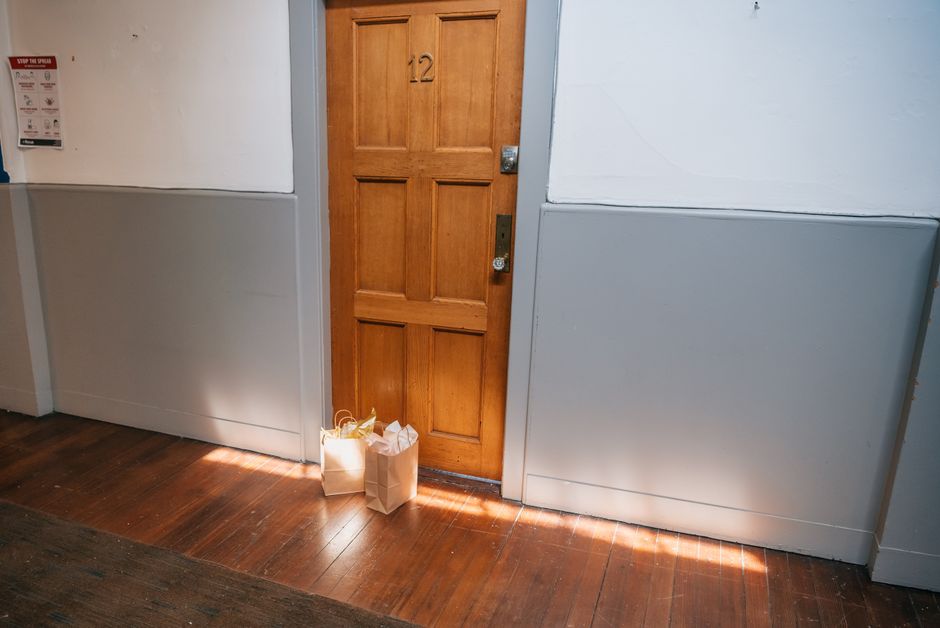
Illegal eviction California cases are scary, but they can often be fixed, and you have strong rights. Your landlord cannot change the locks, shut off your power, or put your things on the curb to force you out. In most cases, only a court order carried out by the county sheriff can legally remove you from your home. This guide to illegal eviction california law explains what counts as a lockout, what your landlord may owe you, and what to do today.
Illegal Eviction California: What the Law Says
California does not let landlords “evict themselves.” Lawyers call this a “self-help” eviction. It is an illegal eviction california courts take seriously. A landlord must file an eviction lawsuit, called an unlawful detainer, and win it. Only then can the sheriff remove you.
Under California Civil Code section 789.3, a landlord cannot shut off water, heat, gas, or electricity to push you out. They also cannot change the locks, remove doors or windows, or take your belongings. This is true even if you owe rent. Here are the key illegal eviction california rules, with exact figures.
| California law | What it bans | What the landlord may owe |
|---|---|---|
| Civil Code 789.3 | Lockouts, utility shutoffs, removing doors, windows, or belongings | Actual damages + up to $100 per day, minimum $250 per violation, plus attorney fees |
| Civil Code 1940.2 | Using force, threats, or theft to make you leave | Up to $2,000 per violation |
| Civil Code 1942.5 | Retaliating after you complain or request repairs | Actual damages + $100 to $2,000 per retaliatory act |
| Code of Civil Procedure 1167 | Deadline to answer a real eviction lawsuit | You get 10 court days to respond |
| Penal Code 418 | Forcibly entering or keeping someone out of their home | A misdemeanor crime |
Other states have lockout laws too, but their penalties are different. For example, Texas Property Code 92.0081 allows actual damages, one month’s rent, and $1,000. Florida Statute 83.67 allows actual damages or 3 months’ rent, whichever is more. However, California’s daily penalty can add up fast if a lockout drags on.
Illegal Eviction California: What to Do Right Now (Step by Step)
If you are standing outside a locked door, focus on safety first. Then follow these steps. They work for most illegal eviction california situations.
1. Do not break in or fight. Stay calm, even if you are angry. 2. Call the police non-emergency line. Tell them your landlord locked you out without a court order. Some officers will help you get back in. Others may call it a “civil matter,” so write down the officer’s name and report number. 3. Take photos and video. Get the new lock, the shut-off meter, and any belongings outside. 4.
Call legal aid. They can help you ask a judge for a fast temporary restraining order to get back in.
Typically, a lockout is not the same as a real eviction. A real one comes with court papers, and the sheriff posts a 5-day Notice to Vacate. If no sheriff posted anything, it is likely an illegal eviction california law forbids.
How to Protect Yourself in Writing
Written proof is your best friend. In most cases, the tenant with the best records has the strongest case. As a result, start a simple log today. List each date, time, and what happened. Note who was there and what they said.
Next, send your landlord a short letter. Say you were locked out or your utilities were cut off. Ask them to restore access or service right away. Mention Civil Code 789.3 by name. Send it by certified mail with a return receipt, and keep a copy. A clear letter helps show the illegal eviction california courts would look at.
Also save every text, email, and voicemail. Keep your lease, rent receipts, and bank records. For example, a text saying “pay or I change the locks” can be strong proof. Store copies in the cloud in case you lose your phone. These records can help any illegal eviction california claim you bring later.
When to Get Help (Legal Aid or an Attorney)
Some situations are urgent. Call for help the same day if you are locked out, your heat or water is off, or your things were taken. Also call right away if you got eviction court papers. An illegal eviction california tenant faces is not something to wait out.
Free help is available. You can search for a local legal-aid office at LawHelpCA.org. You can also visit the self-help center at your county courthouse. The California Attorney General’s tenant page explains your rights, too. Many cities, like Los Angeles and San Francisco, also have rent boards with added protections.
📨 Get Free Tenant Rights Guides Alerts
Free · No spam · Unsubscribe anytime
A private tenant attorney may also take your case. Civil Code 789.3 lets a winning tenant recover attorney fees. As a result, some lawyers may take an illegal eviction california case with little or no upfront cost. Ask about fees on your first call.
Frequently Asked Questions
Can my landlord lock me out if I am behind on rent?
No. Even if you owe rent, your landlord must go to court first. A lockout over unpaid rent is still an illegal eviction california law bans, and you may be able to recover the daily penalty.
How much can I get for an illegal lockout?
Under Civil Code 789.3, you may get your actual losses plus up to $100 per day, with at least $250 per violation. The daily penalty generally stops once you move out. Check with legal aid about what your illegal eviction california claim may be worth.
What if my landlord removed my belongings?
Taking your things to force you out is also banned. Photograph what is missing and make a list with estimated values. Then call the police and a legal-aid office.
Protect your stuff while you sort this out
A landlord’s insurance does not cover your belongings — renters insurance does, often for a few dollars a month. Compare options before your next move.
Find Your State’s Exact Rules
Notice periods, deposit caps, and the eviction timeline all change from state to state. Pick your state to see the exact days, dollar limits, and steps that apply where you live.
See Tenant Rights in All 50 States →
Sources & How to Verify
The rules on this page are drawn from official government and legal-aid sources. Tenant law changes, so always confirm the exact rule with your state’s statute or a local legal-aid office.
- HUD: hud.gov — federal renter protections and fair housing
- Legal Services Corporation: lsc.gov — find free legal aid in your state
- Cornell Legal Information Institute: law.cornell.edu/wex — plain-English legal definitions
- Your state statute & court self-help portal: search “[your state] landlord tenant act” and “[your state] court self-help eviction” for the exact law and forms
Content last reviewed September 2026. If you notice outdated information, please contact us.
California Renter Guides
- California Eviction Process
- California Tenant Rights
- California Security Deposit Law
- California Rent Increase Laws
- California Repairs and Habitability
- Breaking a Lease in California
Related Guides
- Tenant Rights by State (50-State Guide)
- More in This Category
- Tenant Scenarios — What to Do When…
- Notices, Letters & Documents
- Comparison Guides
- Tenant Rights Legal Glossary
Informational only — not legal advice. Tenant Rights Info is an independent educational resource, not a law firm, and this page does not provide legal advice. Landlord-tenant law varies by state and city and changes over time, so always verify the exact rule with your state’s statute, your local court’s self-help portal, or a legal-aid office. For urgent situations like an active eviction, contact a local legal-aid office or a licensed tenant attorney in your state right away.