Cities with rent control are where the rules that actually decide your rent are written, because outside a handful of statewide caps, rent control in America is a city-by-city patchwork. Two renters in the same state can face completely different limits, notice rules and complaint offices depending on which side of a town line they live on. This guide lists every city with rent control or a local tenant ordinance that has its own verified guide on this site, across California, New Jersey and New York, with the local rule each guide is built on.
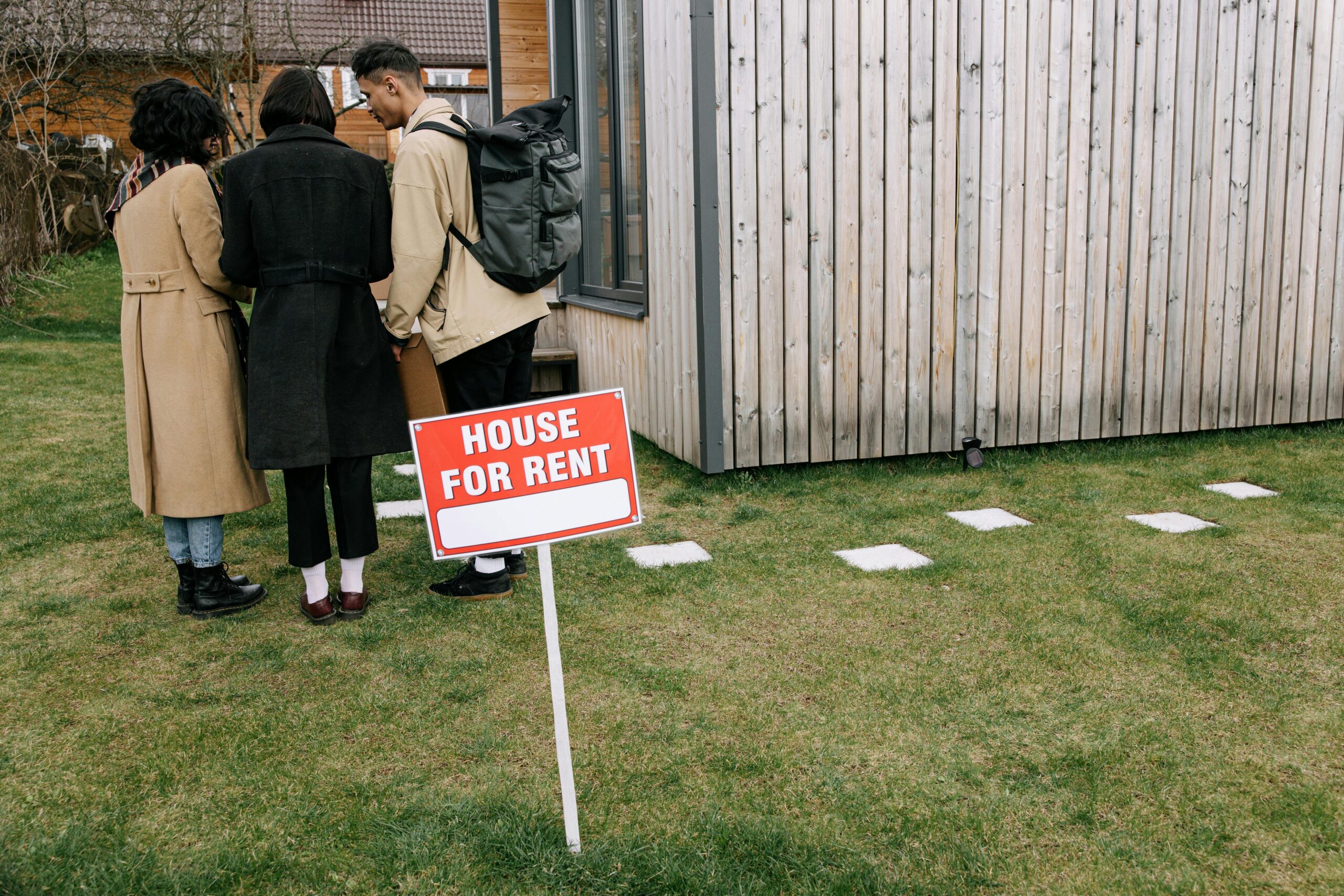
Click any city below for its full guide, including whether your unit is covered, the current allowed increase and its effective dates, just-cause and relocation rules, and where to file a complaint.
Quick Facts — U.S. Cities With Rent Control (2026)
- This guide covers 62 cities and towns: 24 in California, 29 in New Jersey and 9 in New York, each with its own verified page
- New Jersey has more rent-controlled towns than any other state — well over 100 municipalities run a rent leveling or rent control board, with no statewide cap at all
- California layers city rules on top of a state cap: AB 1482 limits most increases to 5% plus inflation, and cities like Los Angeles, San Francisco, Oakland and Berkeley go lower for older buildings
- Three big California cities have no city cap — San Diego, Long Beach and Glendale rely on the state cap plus local just-cause or relocation ordinances
- New York works differently: rent stabilization covers NYC and ETPA municipalities, and the 2024 Good Cause Eviction Law adds protection in New York City automatically and in cities that opt in
- The allowed increase resets every year in most of these cities, usually in July (Los Angeles, Berkeley), March (San Francisco) or January (many NJ boards), so the date matters as much as the percent
- Every city on this list has an office that takes complaints. The city guide names it; the state guide never can
Cities With Rent Control — Every City Compared, by State
The table shows the local rule behind each city’s guide. Here is what the column means:
Local Rule = the ordinance, program or board that sets the limit in that city, as verified on the city’s own official page. Where it says no city cap, the state cap applies and the city adds eviction or relocation protection instead.
California: 24 cities with rent control or local tenant rules
| City | Local Rule |
|---|---|
| Los Angeles | Los Angeles Rent Stabilization Ordinance (RSO), Los Angeles Housing Department (LAHD) |
| San Francisco | San Francisco Rent Ordinance, administered by the San Francisco Rent Board |
| Oakland | Oakland Rent Adjustment Program (RAP); annual CPI-based allowable increase published by the city |
| San Jose | San Jose Apartment Rent Ordinance (ARO) and Tenant Protection Ordinance (TPO), City of San Jose Housing Department |
| San Diego | No city cap; state cap (AB 1482) + Tenant Protections Ordinance |
| Sacramento | Sacramento Tenant Protection Program (city rent cap and just cause), Code Compliance Division |
| Berkeley | Berkeley Rent Stabilization Ordinance; the Berkeley Rent Board sets the Annual General Adjustment (AGA) each year |
| Santa Monica | Santa Monica Rent Control Charter Amendment; the Rent Control Board sets the annual general adjustment and maximum lawful rent |
| Pasadena | Pasadena Rent Stabilization (Measure H, 2022); the Pasadena Rental Housing Board sets the annual general adjustment |
| Long Beach | No city cap; state cap (AB 1482) + Tenant Relocation Assistance Ordinance |
| Inglewood | Inglewood Housing Protection Ordinance (Ordinance 21-09), rent cap and just cause |
| Glendale | No city cap; state cap (AB 1482) + Rental Rights Program |
| Culver City | Culver City Rent Stabilization and Tenant Protections ordinance |
| West Hollywood | West Hollywood Rent Stabilization Ordinance; the city sets the annual Maximum Allowable Rent (MAR) increase |
| East Palo Alto | East Palo Alto Rent Stabilization Ordinance and Regulations |
| Mountain View | Mountain View Community Stabilization and Fair Rent Act (CSFRA), Rent Stabilization Division |
| Hayward | Hayward Residential Rent Stabilization Ordinance (Ordinance 16-19 as amended) |
| Richmond | Richmond Fair Rent, Just Cause for Eviction and Homeowner Protection Ordinance; the Richmond Rent Program sets the annual general adjustment |
| Alameda | City of Alameda Rent Program; annual general adjustment set by the city |
| Beverly Hills | Beverly Hills Rent Stabilization Ordinance (Chapter 5 and Chapter 6 units), Rent Stabilization Division |
| Pomona | Pomona Rent Stabilization Ordinance, Neighborhood Services |
| Bell Gardens | Bell Gardens Rent Stabilization Ordinance, Community Development |
| Concord | Concord Rent Stabilization and Just Cause for Eviction ordinance |
| Antioch | Antioch Rent Stabilization Ordinance, Rent Program |
New Jersey: 29 cities with rent control or local tenant rules
| City | Local Rule |
|---|---|
| Jersey City | Jersey City Rent Control (Code Chapter 260), Office of Landlord/Tenant Relations |
| Newark | Newark Division of Rent Control; annual allowable increase set by ordinance |
| Hoboken | Hoboken Rent Leveling and Stabilization (Code Chapter 155) |
| Elizabeth | City of Elizabeth Rent Control office |
| Paterson | City of Paterson rent control ordinance (city document) |
| Perth Amboy | Perth Amboy Rent Leveling Board |
| Bayonne | City of Bayonne Rent Control (Code Chapter 16 appendix) |
| West New York | Town of West New York Rent Control Department |
| Edison | Edison Township Fair Rental Housing Board |
| East Orange | City of East Orange Rent Leveling office |
| Irvington | Township of Irvington rent control and rent registration |
| Trenton | City of Trenton Rent Stabilization Board |
| Camden | City of Camden Rent Control office |
| New Brunswick | City of New Brunswick Rent Control (Planning and Development) |
| North Bergen | Township of North Bergen Rent Control / Rent Leveling Board |
| Fort Lee | Borough of Fort Lee Rent Leveling Board; Rent Control Ordinance Chapter 324 |
| Hackensack | City of Hackensack Rent Stabilization (Chapter 134) |
| Guttenberg | Town of Guttenberg Rent Control Board |
| Passaic | City of Passaic rent control ordinance (Code Chapter 231); Volunteer Lawyers for Justice explainer |
| Montclair | Township of Montclair Rent Control office (Department of Rent Control) |
| Belleville | Township of Belleville Rent Leveling Board |
| Atlantic City | City of Atlantic City Office of Landlord-Tenant Affairs; city ordinances |
| Red Bank | Borough of Red Bank Rent Leveling Board |
| Morristown | Town of Morristown Rent Leveling Board |
| Woodbridge | Woodbridge Township Rent Leveling Board |
| Union City | City of Union City Rent Control office |
| Nutley | Township of Nutley Rent Leveling Board |
| Palisades Park | Borough of Palisades Park Rent Leveling Board (Code Chapter 235) |
| Wallington | Borough of Wallington Rent Leveling Board (Code Chapter 283) |
New York: 9 cities with rent control or local tenant rules
| City | Local Rule |
|---|---|
| Good Cause EvictionC: Who Is Covered and What It Means (2026) | Good Cause Eviction Law, covered automatically |
| Good Cause Eviction Albany: Rules for Renters (2026) | Good Cause Eviction Law, opted in |
| Good Cause Eviction Kingston: Rules for Renters (2026) | Good Cause Eviction Law, opted in |
| Good Cause Eviction Rochester: Rules for Renters (2026) | Good Cause Eviction Law, opted in |
| Poughkeepsie | Good Cause Eviction Law, opted in |
| Hudson | Good Cause Eviction Law, opted in |
| Binghamton | Good Cause Eviction Law, opted in |
| White Plains | Good Cause Eviction Law, opted in |
| New Rochelle | Good Cause Eviction Law, opted in |
Each row was written from that city’s own verified guide on this site, which in turn is built from the city’s official rent office page or ordinance. The allowed percentage is deliberately left out of this table because it changes yearly; the city guide states it with its effective period.
Cities With Rent Control — Why the City Matters More Than the State
Most renters start with the state and stop there. That is backwards in the three states on this page. New Jersey has no statewide rent cap at all; every limit a New Jersey renter has comes from a municipal ordinance and the board that enforces it. California’s state cap is real but generous, and the cities with rent control cut it in half or more for pre-1995 buildings. New York’s protections are a set of programs, rent stabilization, ETPA and Good Cause, each with its own map.
The practical difference shows up in three places: which buildings are covered (usually by construction date and unit count), how big the yearly increase can be, and who you call. A renter in Hoboken files with the Rent Leveling office; a renter across the river in Manhattan files with DHCR or HPD; a renter in Los Angeles calls LAHD. None of those offices appear in any state statute.
Start with the city guide, then read the state layer underneath it: California rent increase laws, New Jersey rent increase laws, and New York rent increase laws.
Cities With Rent Control — How the Three Systems Work
California cities run classic rent control: a covered unit’s rent can rise by a set percent each year, usually tied to inflation, with a board that publishes the number and hears petitions. Coverage almost always turns on the building’s age, because the state’s Costa-Hawkins law exempts newer construction and single-family homes from local caps. Just-cause eviction rules ride alongside, and several cities add relocation payments for no-fault evictions.
New Jersey towns run rent leveling: an ordinance sets the annual cap (often tied to CPI with a ceiling), exempts small owner-occupied buildings and new construction, and a Rent Leveling or Rent Control Board decides hardship increases and tenant complaints. The Anti-Eviction Act then does statewide what just-cause ordinances do in California.
New York’s cities with rent control are really cities with rent stabilization plus Good Cause. Stabilized units get a yearly Rent Guidelines Board increase and a right to renew. Market-rate units in New York City, and in the cities that opted in, get Good Cause Eviction: a presumption that an increase above the local threshold is unreasonable, and a right to a renewal lease unless the landlord has a listed reason.
The date is half the rule. Almost every city on this page resets its allowed increase once a year. An increase that is legal in size can still be illegal in timing if it lands before the new period starts or without the notice the city requires. The city guides give the current figure with its effective dates; check the date before you check the percent.
Cities With Rent Control — If Your City Is Not Listed
If your city is not on this page, it usually means one of three things: the state cap is the only cap (most of California outside the listed cities), the town has no ordinance (most of New Jersey outside the urban counties and the shore), or the city has not opted in to Good Cause (most of upstate New York). Your state guide still applies in full, and the rent increase rules there tell you what a landlord must do everywhere in the state.
More cities are added as their official rules are verified. A town with a rent control board that is not yet here is missing because its official page could not be confirmed, not because the board does not exist.
Find Your City Rent Control Guide
Ready to check the rules in your city? Click any city name in the tables above, or browse the full category below.
Browse All City Rent Control Guides →
Official Sources
- California Civil Code § 1947.12: leginfo.legislature.ca.gov — the statewide cap the city rules sit on
- New Jersey Truth in Renting: nj.gov — the DCA statement on municipal rent control and the Anti-Eviction Act
- NYS Homes and Community Renewal, Good Cause Eviction: hcr.ny.gov — the state page and the list of opted-in localities
- City rent offices and ordinances: each city’s official page, linked inside the individual city guides
- Legal Services Corporation: lsc.gov — find free local legal aid for a rent dispute
Cities with rent control data compiled from each city’s official rent office page or ordinance and its verified guide on this site. Allowed increases reset yearly and Good Cause opt-ins change as councils vote, so the city guide, not this table, carries the current figure. Click any city above for its verified guide. Last reviewed September 2026.
Disclaimer: This page is for general informational purposes only and is not legal advice. No attorney-client relationship is created by reading it. Rules, notice periods, caps and deadlines vary by state and sometimes by city, and they change over time. For advice about your specific situation, consult a licensed attorney or your local tenant-rights or legal-aid organization.