Eviction timeline by state is the page to open the moment a notice lands on the door, because the honest answer to how long an eviction takes is a range: from under two weeks in the fastest states to several months in the slowest. The number depends on three things, the notice period your state requires, how quickly its courts schedule a hearing, and the wait between judgment and the day a sheriff or marshal can act. This eviction timeline by state guide covers all 50 states, each row taken from that state’s own verified guides on this site.
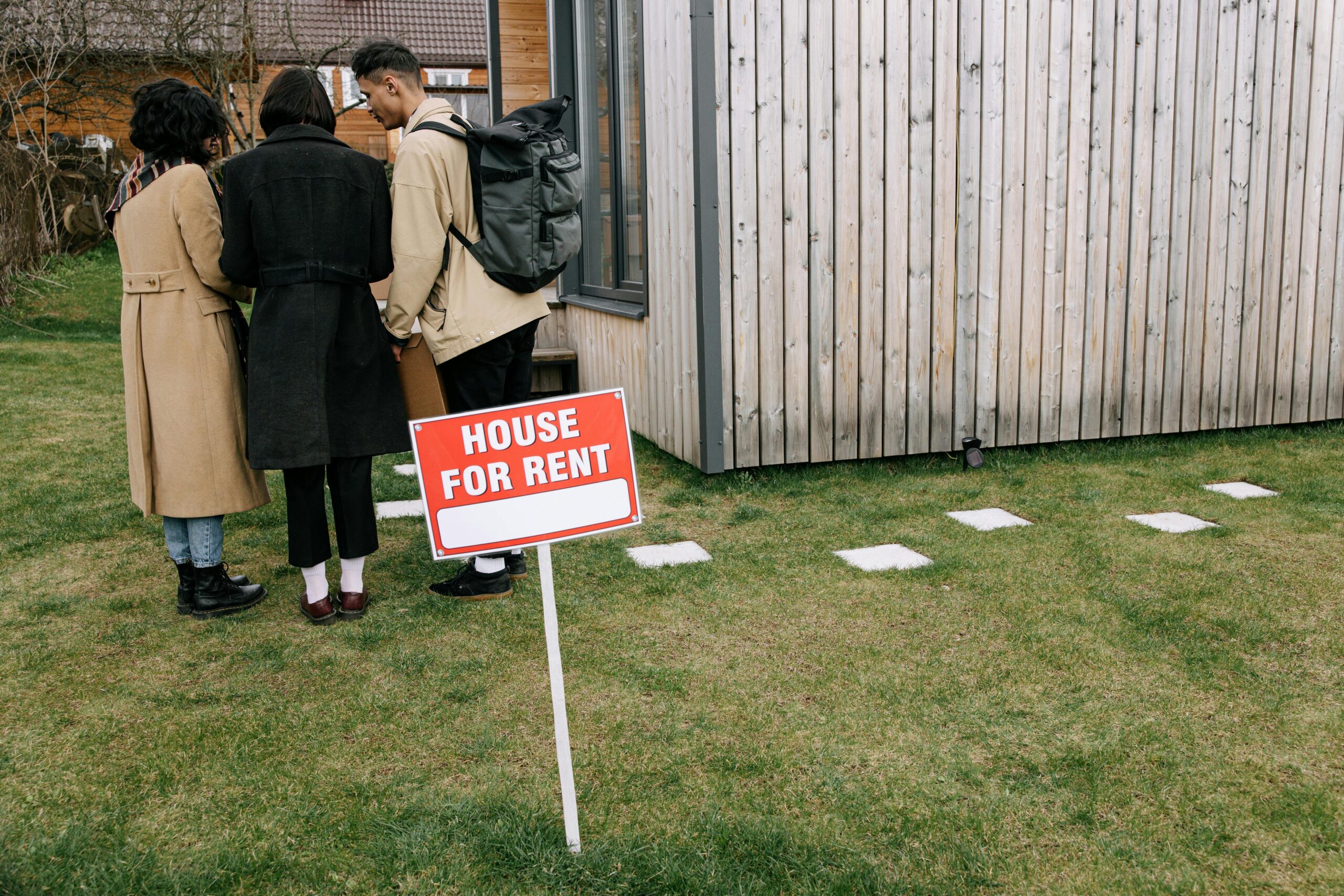
Click any state below for its full timeline, stage by stage: the notice, the filing, the hearing, the judgment, and the lockout, with the days each stage takes in that state.
Quick Facts — U.S. Eviction Timeline by State (2026)
- The fastest states finish in two to three weeks — Nevada, Georgia, Louisiana and Maryland can run start to lockout inside a month when the tenant does not contest
- The slowest run months, not weeks — Massachusetts (2 to 4 months), Vermont (2 to 6 months), Illinois (6 to 14 weeks) and New York City, where a contested case routinely passes six months
- The nonpayment notice ranges from 3 days to 30: 3 days in 13 states, 14 days in six, and 30 days in New Jersey
- New Jersey is the outlier in both directions: a 30-day notice on the front end, then a hardship stay of up to six months at the back
- Contesting the case is what adds time. An answer, a hearing request or a habitability defense turns a three-week eviction into a two-month one in most states
- No state allows a lockout without a court order. Every timeline on this page ends with a sheriff, constable or marshal, never a landlord with a new lock
- Rental assistance and mediation programs pause the clock in a growing number of states and cities; the state guides say where
Eviction Timeline by State — All 50 States Compared
The eviction timeline by state table below shows the two figures that frame every eviction. Here is what each column means:
Nonpayment Notice = how many days the landlord must give you to pay or leave before filing in court, taken from each state’s eviction process guide. Other grounds (lease violations, no-cause endings) usually carry longer notices; the state timeline page covers them.
Typical Total = the usual span from the first notice to the day a sheriff can remove a tenant, as stated in that state’s timeline guide. Contested cases run longer; uncontested ones shorter.
| State | Nonpayment Notice | Typical Total |
|---|---|---|
| Alabama | 7 days | 3 to 6 weeks |
| Alaska | 7 days | 3 to 6 weeks |
| Arizona | 5 days | See guide (fast; often under a month) |
| Arkansas | 3 days | 2 to 6 weeks |
| California | 3 days | 3 to 8 weeks |
| Colorado | 10 days | 30 to 60 days |
| Connecticut | 3 days | 45 to 60 days |
| Delaware | 5 days | 5 to 10 weeks |
| Florida | 3 business days | 1 to 4 weeks; 5 to 8 if contested |
| Georgia | 3 business days | 1 to 3 weeks |
| Hawaii | 10 calendar days | 4 to 8 weeks |
| Idaho | 3 days | 3 to 5 weeks |
| Illinois | 5 days | 6 to 14 weeks |
| Indiana | 10 days | 4 to 7 weeks |
| Iowa | 3 days | 2 to 4 weeks |
| Kansas | 3 days | 2 to 5 weeks |
| Kentucky | 7 days | 3 to 6 weeks |
| Louisiana | 5 days | 12 to 25 days |
| Maine | 7 days | 4 to 7 weeks |
| Maryland | 10 days | 1 to 4 weeks |
| Massachusetts | 14 days | 2 to 4 months |
| Michigan | 7 days | 3 to 5 weeks |
| Minnesota | 14 days | See guide |
| Mississippi | 3 days | 3 to 5 weeks |
| Missouri | 5 days | 4 to 8 weeks |
| Montana | 3 days | 3 to 6 weeks |
| Nebraska | 7 days | 21 to 35 days |
| Nevada | 7 days | 2 to 3 weeks |
| New Hampshire | 7 days | 3 to 6 weeks |
| New Jersey | 30 days | 6 to 12 weeks |
| New Mexico | 3 days | 3 to 5 weeks |
| New York | 14 days | See guide (months in NYC) |
| North Carolina | 10 days | 3 to 6 weeks |
| North Dakota | 3 days | 2 to 4 weeks |
| Ohio | 3 days | 4 to 6 weeks |
| Oklahoma | 5 days | 2 to 4 weeks |
| Oregon | 13 days | 4 to 8 weeks |
| Pennsylvania | 10 days | 6 to 10 weeks |
| Rhode Island | 5 days | 5 to 8 weeks |
| South Carolina | 5 days | See guide |
| South Dakota | 3 days | 2 to 6 weeks |
| Tennessee | 14 days | 24 to 30 days |
| Texas | 3 days | See guide (often 3 to 6 weeks) |
| Utah | 3 business days | 2 to 6 weeks |
| Vermont | 14 days | 2 to 6 months |
| Virginia | 5 calendar days | 2 to 5 weeks |
| Washington | 14 days | 5 to 10 weeks |
| West Virginia | 5 days | 2 to 5 weeks |
| Wisconsin | 5 days | 5 to 30 days |
| Wyoming | 3 days | 14 to 30 days |
Each cell was written from that state’s own verified guides on this site. Where the typical total says “see guide,” the state’s courts vary too much by county or city for one honest range, and the guide walks it stage by stage instead.
Eviction Timeline by State — The Five Stages Every State Shares
The reason the eviction timeline by state has fifty answers is that every state runs the same five stages at different speeds. First, written notice: the landlord must tell you what is wrong and give you a set number of days to fix it or leave. Second, filing: only after the notice runs can the landlord sue. Third, service and your response window, typically five to fourteen days. Fourth, the hearing and judgment. Fifth, the writ or warrant, and the sheriff’s own notice before the lockout.
The notice stage is the one the law fixes most precisely, which is why it is the column in the table. The court stages are where the real variation lives: a rural county in Nebraska may hear a case within a week of filing, while a New York City housing court may not reach it for two months.
Every stage is a deadline for you as well as the landlord. Missing the response window is how most evictions become defaults, and a default is the fastest eviction there is.
Eviction Timeline by State — What Makes It Faster or Slower
Four things move the eviction timeline by state in every column above. A tenant who answers the case and raises a real defense, such as a defective notice, unaddressed repairs, or retaliation, adds weeks in every state and months in some. Court backlog adds time no one controls. Rental assistance and mediation programs pause cases in a growing list of places. And paying the rent owed before judgment ends the case outright in most states, though a few let the landlord refuse.
On the landlord’s side, mistakes speed things up for you, not them. A notice served the wrong way, a notice with the wrong number of days, or a case filed before the notice ran out gets dismissed, and the clock starts over.
The most important deadline is the one after you are served. Most states give five to fourteen days to answer or appear. Do that, on time, in writing, and you have turned the fastest version of the timeline into the slower one in every state on this page.
Eviction Timeline by State — After the Judgment
A judgment is not a lockout, and the last stretch of the eviction timeline by state is the one renters underestimate. Every state puts a wait between the two: the writ or warrant must issue, the sheriff or marshal must schedule it, and most states require a final notice on the door of a few days to two weeks. Several states also allow a stay for hardship, from a few days in most to six months in New Jersey.
For the rest of the picture, see each state’s eviction process guide (linked from every timeline page), the eviction timeline calculator, and rent increase rules by state, since an unlawful increase is one of the most common defenses.
Find Your Eviction Timeline by State
Ready to see the eviction timeline by state where you live? Click any state name in the table above, or browse the full category below.
Browse All 50 State Eviction Timelines →
Official Sources
- HUD Eviction Resources: hud.gov — federal tenant protections and the CARES Act notice rule for covered properties
- State eviction statutes: each state’s notice periods, court rules and writ timing, linked inside the individual state timelines
- National Center for State Courts: ncsc.org — eviction diversion and court-process research by state
- Legal Services Corporation: lsc.gov — find free local legal aid before your response deadline runs
Eviction timeline by state data compiled from state eviction statutes and each state’s verified eviction process and timeline guides on this site. Court scheduling is the fastest-changing part of this area and varies by county, so the typical totals are ranges, not promises. Click any state above for its stage-by-stage timeline. Last reviewed September 2026.
Disclaimer: This page is for general informational purposes only and is not legal advice. No attorney-client relationship is created by reading it. Rules, notice periods, caps and deadlines vary by state and sometimes by city, and they change over time. For advice about your specific situation, consult a licensed attorney or your local tenant-rights or legal-aid organization.