Month to month lease laws answer the question every renter without a current lease eventually asks: how much notice do I have to give, how much does the landlord have to give me, and can they raise the rent or end it whenever they like? The answers run from 7 days in North Carolina to a full just-cause requirement in Washington, and most renters land on a month-to-month tenancy without ever choosing it. This guide compares month to month lease laws across all 50 states, each row taken from that state’s own verified guide on this site.
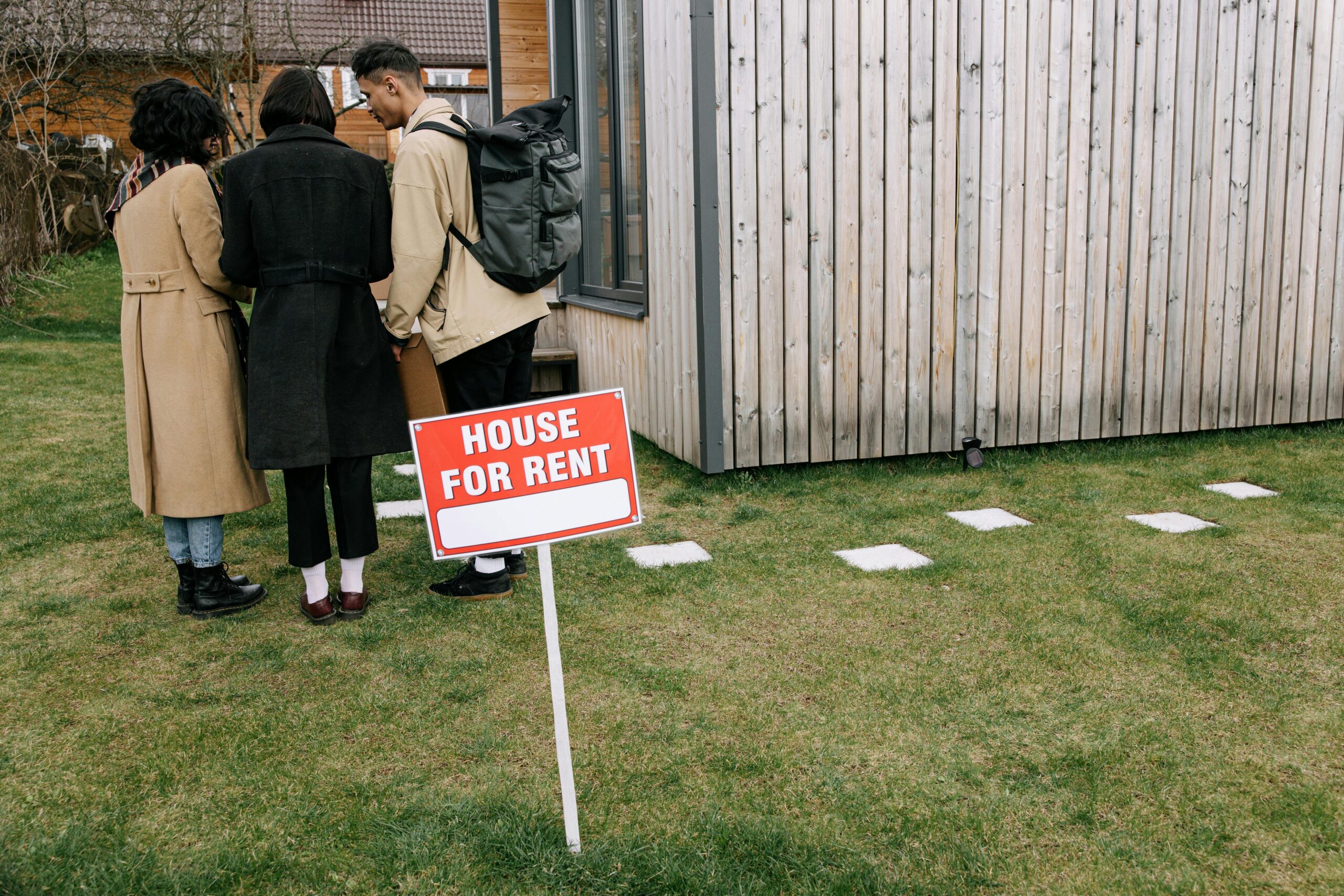
Click any state below for its full guide, including how the tenancy starts, how notice must be delivered, and the rights you keep after the lease expires.
Quick Facts — U.S. Month to Month Lease Laws by State (2026)
- 30 days is the standard notice in 28 states, for both the tenant and the landlord
- North Carolina is the shortest at 7 days; Louisiana is 10; Utah, Pennsylvania (landlord side) and Colorado run 15 to 21
- Delaware is the longest fixed period at 60 days; Georgia, Maryland and Vermont give the landlord 60 while the tenant gives less
- 8 states now require a reason to end a month-to-month tenancy in at least some situations: California, Colorado, Connecticut, New Hampshire, New Jersey, New York, Oregon and Washington
- New Jersey goes furthest: under the Anti-Eviction Act a landlord cannot end a month-to-month tenancy at all without one of the listed grounds
- New York splits by tenancy length: 30, 60 or 90 days’ notice depending on how long you have lived there (RPL 226-c), plus Good Cause Eviction where it applies
- In every state the eviction process still applies. Notice ends the tenancy; only a court can remove you
Month to Month Lease Laws by State — All 50 States Compared
The table shows the three figures that matter most on a month-to-month tenancy. Here is what each column means:
Notice You Give = the written notice a tenant must give to leave without owing more rent. In most states it must arrive before the rent due date to count for that period.
Notice the Landlord Gives = the minimum written notice before the landlord can end the tenancy or raise the rent. Longer periods for long-term tenants are noted where the state has them.
Reason Required = whether the landlord needs a lawful ground to end the tenancy at all. “No” still never allows a retaliatory or discriminatory reason.
| State | Notice You Give | Notice the Landlord Gives | Reason Required |
|---|---|---|---|
| Alabama | 30 days | 30 days | No — proper notice is enough |
| Alaska | 30 days | 30 days | No — proper notice is enough |
| Arizona | 30 days | 30 days | No — proper notice is enough |
| Arkansas | 30 days | 30 days | No — proper notice is enough |
| California | 30 days | 30 days; 60 days after one year of tenancy | Yes — just cause after 12 months (Civ. Code 1946.2) |
| Colorado | 21 days | 21 days | Yes — for-cause only (HB24-1098) |
| Connecticut | Not set by statute | Notice to quit, 3 days minimum (C.G.S. 47a-23) | Yes — for protected tenants only |
| Delaware | 60 days | 60 days | No — proper notice is enough |
| Florida | 30 days | 30 days | No — proper notice is enough |
| Georgia | 30 days | 60 days | No — proper notice is enough |
| Hawaii | 28 days | 45 days | No — proper notice is enough |
| Idaho | 1 month | 1 month | No — proper notice is enough |
| Illinois | 30 days | 30 days | No — proper notice is enough |
| Indiana | 1 month | 1 month | No — proper notice is enough |
| Iowa | 30 days | 30 days | No — proper notice is enough |
| Kansas | 30 days | 30 days | No — proper notice is enough |
| Kentucky | 30 days | 30 days | No — proper notice is enough |
| Louisiana | 10 days | 10 days | No — proper notice is enough |
| Maine | 30 days | 30 days | No — proper notice is enough |
| Maryland | 1 month | 60 days | No — proper notice is enough |
| Massachusetts | One full rental period, at least 30 days | One full rental period, at least 30 days | No — proper notice is enough |
| Michigan | 1 month | 1 month | No — proper notice is enough |
| Minnesota | One full rental period (504B.135) | One full rental period (504B.135) | No — proper notice is enough |
| Mississippi | 30 days | 30 days | No — proper notice is enough |
| Missouri | 1 month | 1 month | No — proper notice is enough |
| Montana | 30 days | 30 days | No — proper notice is enough |
| Nebraska | 30 days | 30 days | No — proper notice is enough |
| Nevada | 30 days | 30 days | No — proper notice is enough |
| New Hampshire | See guide (RSA 540:11) | 30 days | Yes — for restricted property |
| New Jersey | 1 month | No-cause termination not allowed | Yes — Anti-Eviction Act grounds only |
| New Mexico | 30 days | 30 days | No — proper notice is enough |
| New York | 1 month outside NYC; 30 days in NYC | 30 / 60 / 90 days by length of tenancy (RPL 226-c) | Yes — where Good Cause Eviction applies |
| North Carolina | 7 days | 7 days | No — proper notice is enough |
| North Dakota | 1 calendar month | 1 calendar month | No — proper notice is enough |
| Ohio | 30 days | 30 days | No — proper notice is enough |
| Oklahoma | 30 days | 30 days | No — proper notice is enough |
| Oregon | 30 days | 30 days in the first year; just cause after | Yes — after the first year |
| Pennsylvania | Not set by statute | 15 days (68 P.S. 250.501) | No — proper notice is enough |
| Rhode Island | 30 days | 30 days | No — proper notice is enough |
| South Carolina | 30 days | 30 days | No — proper notice is enough |
| South Dakota | 1 month | 1 month | No — proper notice is enough |
| Tennessee | 30 days (URLTA counties) | 30 days | No — proper notice is enough |
| Texas | 1 month | 1 month | No — proper notice is enough |
| Utah | 15 days unless the lease says more | 15 days | No — proper notice is enough |
| Vermont | One rental period (9 V.S.A. 4456) | 60 days (9 V.S.A. 4467) | No — proper notice is enough |
| Virginia | 30 days | 30 days | No — proper notice is enough |
| Washington | 20 days | Just cause required (RCW 59.18.650) | Yes — statewide |
| West Virginia | One month | One month | No — proper notice is enough |
| Wisconsin | 28 days | 28 days | No — proper notice is enough |
| Wyoming | Not set by statute | Not set by statute | No — proper notice is enough |
Each cell was written from that state’s own verified guide on this site. Where a state sets no number by statute, the lease and local custom control, and the guide explains what courts there expect.
Month to Month Lease Laws — How You End Up on One
Most month-to-month tenancies are never signed. The fixed lease ends, nobody calls, rent keeps getting paid and accepted, and the tenancy rolls over. Every state treats that holdover the same way at its core: the old lease’s terms carry forward, but its length does not, and the notice rules on this page replace the expiration date.
That is why the month to month lease laws matter more than the expired lease. A landlord who ends the tenancy is not breaking the lease; the lease is already over. What the law adds is the clock, and in most states the clock is short.
The mistake that costs renters a month of rent is timing. Notice that arrives after the rent due date usually does not take effect until the end of the following rental period. Give it in writing, keep proof of the date it was delivered, and count the days from that date.
Month to Month Lease Laws — Where a Reason Is Now Required
The biggest change in month to month lease laws since 2019 is the spread of just-cause rules. 8 states now require a reason in at least some situations. California requires just cause after 12 months of tenancy. Oregon requires it after the first year. Washington requires it statewide under RCW 59.18.650. Colorado moved to for-cause terminations in 2024.
New Jersey has required a ground for decades: the Anti-Eviction Act lists the only reasons a residential tenant can be removed, and “the month is over” is not one of them. New York’s Good Cause Eviction Law brought a similar rule to New York City and the cities that opted in, on top of the tiered notice periods in RPL 226-c.
In the other states, no reason is needed, but the two reasons that are always illegal still apply: retaliation for a complaint, and discrimination against a protected class. A notice that follows a repair request is challengeable in every state on this page.
Rent increases follow the same clock. A rent increase on a month-to-month tenancy is really a notice ending the old terms and offering new ones, which is why most states tie it to the same notice period. An increase served with short notice is not owed until the proper period has run, and paying the old amount on time while you say so in writing keeps you current.
Month to Month Lease Laws — The Rights You Keep
Nothing about a month-to-month tenancy weakens the deposit rules, the landlord’s duty to make repairs, the ban on retaliation, or the requirement to go through court before any eviction. The only thing that changes is how long each side has to say goodbye. A landlord who ends the tenancy and then changes the locks, shuts off utilities, or removes belongings has skipped the court, and that is illegal in every state.
For the pieces that surround this one, see rent increase rules in every state, how long an eviction takes by state, and what to do when your deposit does not come back.
Find Your State Month to Month Lease Guide
Ready to check the month to month lease laws where you live? Click any state name in the table above, or browse the full category below.
Browse All State Month to Month Lease Guides →
Official Sources
- New York Real Property Law § 226-c: nysenate.gov — the 30 / 60 / 90-day tiered notice rule
- California Civil Code § 1946.1 and 1946.2: leginfo.legislature.ca.gov — notice periods and the just-cause rule
- Washington RCW 59.18.650: app.leg.wa.gov — statewide just cause
- State landlord-tenant statutes: each state’s periodic-tenancy notice rule, linked inside the individual state guides
- Legal Services Corporation: lsc.gov — find free local legal aid before a notice deadline runs
Month to month lease laws data compiled from state landlord-tenant statutes and each state’s verified guide on this site. Just-cause rules are the fastest-changing part of this area — Colorado, Washington and New York all changed theirs since 2021 — and notice periods often depend on the rent due date. Click any state above for its verified guide. Last reviewed September 2026.
Disclaimer: This page is for general informational purposes only and is not legal advice. No attorney-client relationship is created by reading it. Rules, notice periods, caps and deadlines vary by state and sometimes by city, and they change over time. For advice about your specific situation, consult a licensed attorney or your local tenant-rights or legal-aid organization.