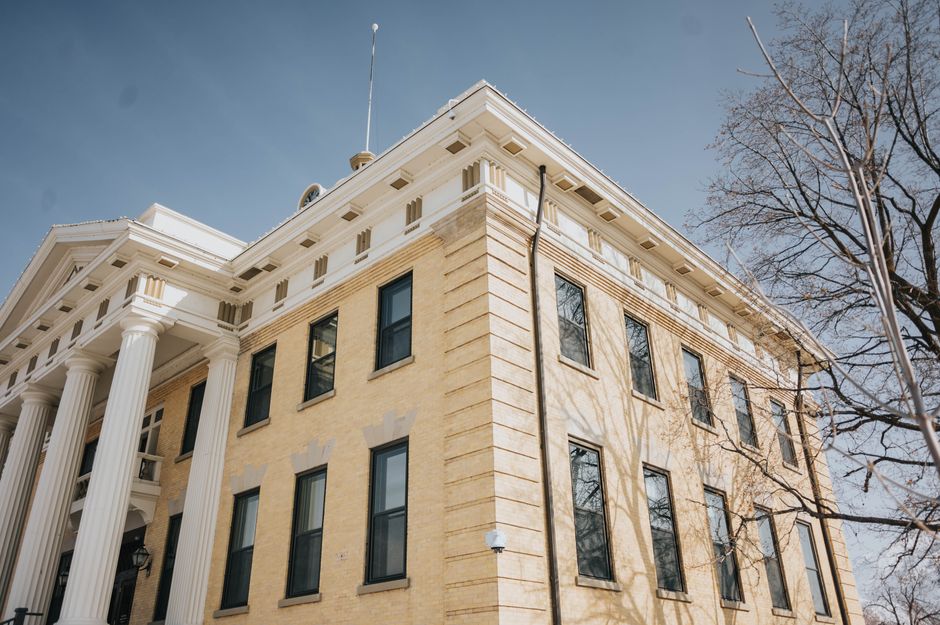
San diego eviction court is the Superior Court of California, County of San Diego, and it hears landlord-tenant cases, called “unlawful detainer” cases. If you get eviction court papers in san diego eviction court, the one deadline you cannot miss is your written response. Under California law, it is due within 10 court days after you are served.
San Diego Eviction Court: Location, Hours, and Case Lookup
All unlawful detainer cases in the county are filed in the Central Division. That means one building handles the paperwork, no matter where in the county you rent. For tenants, this makes san diego eviction court fairly easy to find. However, where you file papers and where your hearing happens may not be the same room.
The court announced that starting November 3, 2025, the eviction courtroom moved. It went from the 5th floor, Department 501, to the 2nd floor, Department 201, of the Central Courthouse. In most cases, your hearing notice will list the exact department and time. Always follow what your own notice says.
| Item | Detail |
|---|---|
| Filing office | Civil Business Office, Hall of Justice, 330 W. Broadway, Room 225, San Diego, CA 92101 |
| Eviction courtroom | Department 201, 2nd floor, Central Courthouse (effective November 3, 2025) |
| Phone hours | Many business office phones are answered 8:30 a.m. to 11:30 a.m., Monday through Friday. Confirm the phone number on the court’s website. |
| Case lookup | Use the case number on your summons. Check the court’s landlord/tenant page for current lookup tools. |
| Forms | The court offers an Unlawful Detainer Answer Packet (PKT-021) and landlord/tenant forms online. |
You can find forms and updates on the court’s Landlord/Tenant (Unlawful Detainer) page. Street addresses for other courthouses should be confirmed on that page, too.
Your Deadlines After You Are Served at San Diego Eviction Court
Once you are served, a clock starts. Since January 1, 2025, California gives tenants 10 days to respond. Saturdays, Sundays, and court holidays do not count. As a result, you often have about two calendar weeks. However, count carefully, and do not wait until the last day. If you were served through the Safe at Home address program, you get 15 court days.
Your response is usually a written Answer. It tells san diego eviction court your side. For example, you might say the rent amount is wrong, the notice was defective, or the landlord is retaliating. The court’s Answer Packet walks you through the form. You must file it and have a copy served on the landlord.
What if you do nothing? Then the landlord can ask for a “default.” A default means the court can rule against you without hearing your side. In most cases, that leads quickly to a lockout. Typically, a default is much harder to undo than filing on time.
What Happens on Your Court Date at San Diego Eviction Court
After you file your Answer, a trial date is set. Arrive early and check in with the courtroom clerk. The court says you can attend hearings by video or audio using the free Microsoft Teams app, unless the court orders otherwise. Check your notice to see which option applies to you.
Before trial, you and the landlord may be able to talk about a settlement. For example, a deal might give you more time to move or a payment plan. Whether san diego eviction court runs a formal mediation program for your case must be confirmed with the court. Never sign an agreement you do not understand. Ask a legal-aid lawyer to read it first.
At trial, the judge hears both sides and looks at evidence. Bring your lease, rent receipts, texts, photos, and repair requests. After the hearing, the judge makes a judgment. If you lose, you may be able to ask for more time to move or file an appeal. The exact deadlines for a stay or appeal must be confirmed with the court or a lawyer. Do not guess on these dates.
Free Help in This Courthouse
You do not have to face san diego eviction court alone. The court’s Self-Help Center explains court steps and helps people without a lawyer. The court says eviction help is offered in person at courthouse walk-in clinics. It is also offered remotely for unlawful detainer cases.
In addition, the Legal Aid Society of San Diego runs a clinic at the Central Division. According to the court, the clinic explains landlord-tenant steps and helps tenants prepare forms. This is often the fastest way to get your Answer done right. Go as early in your deadline as you can.
If you need an interpreter, ask the clerk or the self-help staff as soon as possible. Tell them your language and your hearing date. Visit the court’s Self-Help Center page for current hours and locations. For an active eviction, contact a local legal-aid office or tenant attorney right away.
📨 Get Free Tenant Rights Guides Alerts
Free · No spam · Unsubscribe anytime
Frequently Asked Questions
Where is san diego eviction court?
Eviction cases are filed at the Hall of Justice, 330 W. Broadway, Room 225, San Diego, CA 92101. Hearings are held in Department 201 of the Central Courthouse, effective November 3, 2025. Always check your notice for the exact room.
How long do I have to respond to an eviction lawsuit?
In most cases, you have 10 court days after service. Weekends and court holidays do not count. If you were served through Safe at Home, you have 15 court days.
Can I get free help with my case at san diego eviction court?
Yes, many tenants can. The court offers self-help services in person and remotely for eviction cases. The Legal Aid Society of San Diego also runs a clinic at the Central Division that helps tenants with forms.
Protect your stuff while you sort this out
A landlord’s insurance does not cover your belongings — renters insurance does, often for a few dollars a month. Compare options before your next move.
Find Your State’s Exact Rules
Notice periods, deposit caps, and the eviction timeline all change from state to state. Pick your state to see the exact days, dollar limits, and steps that apply where you live.
See Tenant Rights in All 50 States →
Sources & How to Verify
The rules on this page are drawn from official government and legal-aid sources. Tenant law changes, so always confirm the exact rule with your state’s statute or a local legal-aid office.
- HUD: hud.gov — federal renter protections and fair housing
- Legal Services Corporation: lsc.gov — find free legal aid in your state
- Cornell Legal Information Institute: law.cornell.edu/wex — plain-English legal definitions
- Your state statute & court self-help portal: search “[your state] landlord tenant act” and “[your state] court self-help eviction” for the exact law and forms
Content last reviewed September 2026. If you notice outdated information, please contact us.
California Renter Guides
- California Eviction Process
- California Tenant Rights
- California Security Deposit Law
- California Rent Increase Laws
- California Repairs and Habitability
- Breaking a Lease in California
Related Guides
- Tenant Rights by State (50-State Guide)
- More in This Category
- Tenant Scenarios — What to Do When…
- Notices, Letters & Documents
- Comparison Guides
- Tenant Rights Legal Glossary
Informational only — not legal advice. Tenant Rights Info is an independent educational resource, not a law firm, and this page does not provide legal advice. Landlord-tenant law varies by state and city and changes over time, so always verify the exact rule with your state’s statute, your local court’s self-help portal, or a legal-aid office. For urgent situations like an active eviction, contact a local legal-aid office or a licensed tenant attorney in your state right away.