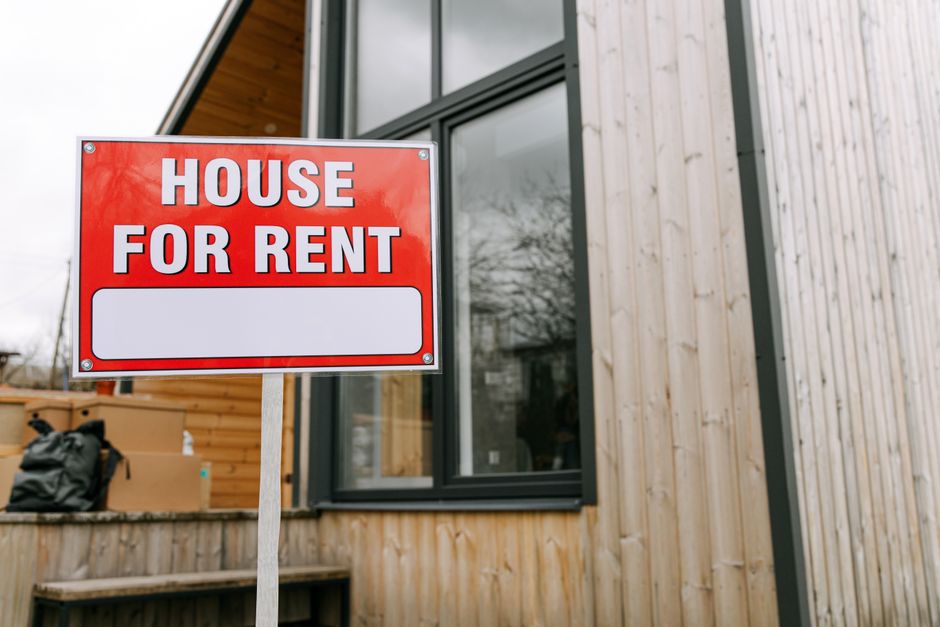
What to do when your landlord does something wrong, unfair, or possibly illegal is one of the most common questions renters face. Maybe the heat went out and nobody is fixing it. Maybe your deposit never came back. Maybe you got a surprise rent hike or a scary eviction notice taped to your door.
- What to Do When Your Landlord Won’t Return Your Security Deposit
- What to Do When Your Landlord Won’t Make Repairs
- What to Do When Your Landlord Tries to Evict You
- What to Do When Your Landlord Raises Your Rent
- What to Do When Your Landlord Enters Without Permission
- What to Do When Your Landlord Retaliates Against You
- What to Do When Your Landlord Illegally Locks You Out
- What to Do When Your Landlord Discriminates Against You
- What to Do When Your Landlord Sells the Property
- What to Do When Your Landlord Harasses You
- What to Do When Your Landlord Breaks the Lease
- How to Protect Yourself in Any Landlord Dispute
- Frequently Asked Questions
You are not powerless. Every state has laws that protect tenants, and knowing your rights is the first step toward protecting your home. This guide walks you through the most common landlord problems renters deal with in 2026 — and exactly what to do about each one.
What to Do When Your Landlord Won’t Return Your Security Deposit
This is the single most common landlord dispute in America. You moved out, left the place clean, and your deposit never showed up. Or your landlord sent a list of bogus deductions. Here is what to do when your landlord keeps your money past the legal deadline.
Every state sets a specific number of days your landlord has to return your deposit after you move out. If they miss that deadline, you may be entitled to penalties — sometimes double or triple the deposit amount. The clock usually starts the day you hand over the keys and move out.
| State | Return Deadline | Penalty for Late Return |
|---|---|---|
| California | 21 days | Up to 2x deposit in bad faith |
| Florida | 15 days (no claim) / 30 days (with claim) | Full deposit forfeited + court costs |
| New York | 14 days | Full deposit + punitive damages possible |
| Pennsylvania | 30 days | 2x the deposit amount |
| Texas | 30 days | $100 penalty + 3x wrongfully withheld amount |
| Illinois | 30–45 days | 2x deposit (Chicago: 2x deposit + interest) |
| Maryland | 45 days | Up to 3x the withheld amount |
| Colorado | 30 days (or up to 60 if lease says so) | 3x the wrongfully withheld amount |
Start by sending a written demand letter by certified mail. State the move-out date, the deposit amount, and the deadline your landlord missed. Many tenants recover their full deposit — plus penalties — in small claims court without hiring a lawyer. For more on writing demand letters, see our notices and letter templates.
What to Do When Your Landlord Won’t Make Repairs
A broken furnace in January. Mold in the bathroom. Rats in the kitchen. These are not minor annoyances — they are violations of the implied warranty of habitability, a legal promise that exists in every state. When your landlord ignores serious repair requests, you have options. But you need to follow the right steps.
First, put your repair request in writing. Text messages and emails count, but a dated letter is strongest. Describe the problem clearly. Keep a copy. In most states, your landlord then has a specific window to begin repairs before you can take further action.
| State | Notice Required | Repair Window | Tenant Remedies |
|---|---|---|---|
| California | Written notice | 30 days (reasonable time) | Repair and deduct (up to 1 month’s rent), withhold rent, or sue |
| Florida | Written 7-day notice | 7 days | Withhold rent (no repair-and-deduct) |
| Idaho | Written notice | 3 days | Sue landlord for compliance |
| South Carolina | Written 14-day notice | 14 days | Terminate lease or sue |
| Michigan | Written notice | Reasonable time | Withhold rent, repair and deduct, or sue |
Some states let you “repair and deduct” — hire someone to fix the problem and subtract the cost from your rent. Others let you withhold rent entirely until repairs are made. However, these remedies have strict rules. For example, California limits repair-and-deduct to one month’s rent and allows it only twice in any 12-month period. Never withhold rent without checking your state’s repair and habitability laws first.
If the problem is serious — no heat, no water, sewage backup, or structural danger — call your local housing code enforcement office right away. An inspector can order your landlord to make emergency repairs. This also creates an official paper trail that helps you in court later.
What to Do When Your Landlord Tries to Evict You
Getting an eviction notice is terrifying. But a notice is not an eviction — it is the beginning of a legal process, and you have rights at every step. Knowing what to do when your landlord starts the eviction process can mean the difference between keeping your home and losing it.
In most states, eviction requires a specific written notice, a waiting period, a court filing, a hearing, and a judge’s order. Your landlord cannot skip any of these steps. If they do, the eviction may be thrown out.
| State | Pay-or-Quit Notice Period | Court Response Deadline | Right to Cure (Fix the Problem) |
|---|---|---|---|
| California | 3 days | 10 court days after service | Yes — pay within 3 days to stop eviction |
| Texas | 3 days | 4 days after service | No statutory right to cure |
| New York | 14 days | Varies by court | Yes — pay within 14 days |
| Florida | 3 days | 5 days after service | Yes — pay within 3 days |
| Tennessee | 14 days | 6 days after service | Yes — 30 days for lease violations |
| Colorado | 10 days | Answer by date on summons | Yes — pay within 10 days |
Common defenses tenants can raise include: the landlord did not give proper notice, the eviction is retaliatory (you complained about repairs), the landlord is discriminating against you, the property is not habitable, or the landlord accepted rent after filing. For a full breakdown, see our 50-state eviction guide.
As a result of these protections, many tenants who show up to court with documentation and a clear defense either win their case or negotiate more time to move. However, you should never ignore an eviction filing. Failing to appear usually means an automatic loss.
What to Do When Your Landlord Raises Your Rent
A rent increase is not always illegal. But it is not always legal either. What to do when your landlord raises your rent depends on whether you have a lease, whether your state has rent control, and how much notice you received.
If you have a fixed-term lease, your landlord typically cannot raise the rent until the lease ends. For month-to-month tenants, the landlord must give written notice — and the required notice period varies by state.
| State | Notice Required for Rent Increase | Rent Cap (If Any) |
|---|---|---|
| California | 30 days (under 10% increase) / 90 days (10%+ increase) | 5% + local CPI (AB 1482 cap, most units) |
| Oregon | 90 days | 7% + CPI (statewide cap, most units over 15 years old) |
| Washington | 60 days | No statewide cap (some local caps apply) |
| Colorado | 21–91 days (based on tenancy length) | No statewide cap |
| New York | 30–90 days (based on tenancy length) | Rent-stabilized units have annual board-set limits |
| Connecticut | No statutory minimum | No statewide cap |
If your landlord did not give you enough notice, the increase may not be enforceable yet. If you live in a rent-controlled area and the increase exceeds the cap, it may be illegal. In either case, do not simply refuse to pay — send a written response explaining why the increase is improper. For details on your state, see our 50-state rent increase guide.
Knowing what to do when your landlord springs a surprise rent hike starts with checking your lease and your state’s notice requirements. In most cases, even if the increase is legal, you can negotiate — especially if you have been a reliable, long-term tenant.
What to Do When Your Landlord Enters Without Permission
Your rental is your home. In most states, your landlord cannot just walk in whenever they want. Knowing what to do when your landlord enters your apartment without proper notice protects your right to privacy and peaceful enjoyment of your home.
Most states require landlords to give advance written notice before entering for non-emergency reasons like repairs, inspections, or showings. The only exception is a genuine emergency — a burst pipe, a fire, or a gas leak.
| State | Minimum Notice Before Entry | Permitted Entry Reasons |
|---|---|---|
| Alabama | 2 days | Repairs, inspections, showings |
| Alaska | 24 hours | Repairs, inspections, showings |
| Arizona | 2 days | Repairs, services, showings |
| California | 24 hours | Repairs, showings, inspections (written notice required) |
| Oregon | 24 hours | Repairs, inspections, showings |
| Connecticut | Reasonable notice | Repairs, inspections, showings |
If your landlord repeatedly enters without notice, document every incident with dates, times, and details. Send a written letter asking them to stop and citing your state’s law. If the behavior continues, you may be able to sue in small claims court, terminate your lease, or file a police report for trespassing. See our letter templates for a sample privacy-violation notice.
What to Do When Your Landlord Retaliates Against You
You complained about a code violation. Then your landlord raised your rent, refused to renew your lease, or started the eviction process. That pattern is called retaliation, and it is illegal in most states.
Landlord retaliation is one of the scariest situations a tenant can face. However, understanding what to do when your landlord retaliates gives you real power. The law is on your side if you exercised a legal right — like reporting a health hazard or joining a tenant organization.
In many states, if a landlord takes negative action within a certain window after you exercised a right, retaliation is presumed. That means the landlord has to prove their motives were legitimate — not you.
| State | Retaliation Presumption Window | Protected Activities |
|---|---|---|
| California | 180 days | Complaints, code enforcement, tenant organizing |
| New York | 1 year | Complaints, code violations, tenant rights exercise |
| New Jersey | 90 days | Complaints, code enforcement, organizing |
| Tennessee | 12 months (URLTA counties) | Complaints to government, exercising legal rights |
| Oregon | 6 months | Complaints, repair requests, organizing |
If you believe your landlord is retaliating, keep a paper trail. Save every complaint you made, every response (or non-response) from the landlord, and every negative action they took afterward. This timeline is your strongest evidence. For more on your state’s protections, visit our 50-state tenant rights guide.
What to Do When Your Landlord Illegally Locks You Out
Changing the locks, shutting off utilities, removing your belongings, or boarding up doors — these are all forms of illegal “self-help” eviction. They are against the law in every state. Only a sheriff or marshal with a court order can physically remove you from your home.
If you are standing outside your apartment right now because your landlord changed the locks, here is what to do when your landlord locks you out illegally:
- Call the police. An illegal lockout is a civil (and sometimes criminal) matter. Ask for a report.
- Document everything. Take photos of changed locks, disconnected utilities, or removed belongings.
- Contact a legal-aid office. Many can get an emergency court order to let you back in within 24–48 hours.
- File a lawsuit. You may be entitled to significant damages.
| State | Illegal Lockout Penalty |
|---|---|
| New York | Class A misdemeanor + up to 3x damages |
| Massachusetts | 3x monthly rent or actual damages + attorney fees |
| California | Up to $2,000 per violation + actual damages |
| South Dakota | Up to 2 months’ rent |
| Texas | 1 month’s rent + $1,000 + actual damages + attorney fees |
An illegal lockout is an emergency. If this is happening to you right now, do not wait — call the police and then call a legal-aid hotline in your area.
📨 Get Free Tenant Rights Guides Alerts
Free · No spam · Unsubscribe anytime
What to Do When Your Landlord Discriminates Against You
The Fair Housing Act makes it illegal for landlords to discriminate based on race, color, national origin, religion, sex (including sexual orientation and gender identity), familial status, or disability. Many states and cities add protections for source of income, age, marital status, and more.
Discrimination does not always look obvious. It can show up as a landlord who suddenly “has no vacancies” after seeing you, charges you a higher deposit than other tenants, refuses to make a reasonable disability accommodation, or treats families with children differently from other tenants.
If you believe you are being discriminated against, knowing what to do when your landlord treats you unfairly is critical. File a complaint with HUD or your state’s civil rights agency. You can also file a federal lawsuit. HUD complaints are free and HUD investigates on your behalf.
What to Do When Your Landlord Sells the Property
When your landlord sells the building, your lease does not disappear. In most states, your lease transfers to the new owner. The new landlord steps into the old landlord’s shoes and must honor your existing lease terms — including your rent amount, your deposit, and your lease end date.
What to do when your landlord sells and a new owner takes over depends on your lease type. If you have a fixed-term lease, the new owner must honor it until it expires. If you are month-to-month, the new owner can typically end your tenancy with proper notice — usually 30 to 90 days, depending on your state.
The previous owner must transfer your security deposit to the new owner or return it to you. Get confirmation in writing about who holds your deposit. If neither the old nor new landlord can account for your deposit, both may be liable. Check your state’s rules in our security deposit guide.
What to Do When Your Landlord Harasses You
Harassment can take many forms: constant unannounced visits, threats, verbal abuse, shutting off services to force you out, or refusing to make repairs as punishment. In many states, landlord harassment is both a civil wrong and a criminal offense.
Figuring out what to do when your landlord harasses you starts with documentation. Keep a log of every incident. Save texts, emails, and voicemails. Note witnesses. Then take action:
- Send a written cease-and-desist letter via certified mail.
- Report threats or intimidation to the police.
- File a complaint with your local housing authority.
- Contact a tenant attorney or legal-aid office.
In states like New York and California, courts can issue restraining orders against harassing landlords and award significant damages. Harassment that targets you because of your race, gender, disability, or family status also qualifies as a fair housing violation.
What to Do When Your Landlord Breaks the Lease
Landlords have obligations under the lease too. When your landlord fails to provide habitable conditions, violates lease terms, or takes actions that make the property unusable, you may have grounds for what the law calls constructive eviction. In plain English, the landlord’s behavior made it impossible for you to stay.
What to do when your landlord breaks the lease depends on the severity. For minor violations, send written notice and give them time to fix it. For serious breaches — like refusing to provide heat, water, or security — you may be able to terminate the lease without penalty and recover moving costs. However, you should consult an attorney or legal-aid office before withholding rent or moving out, because the rules vary by state. For details, see our 50-state lease-break guide.
How to Protect Yourself in Any Landlord Dispute
No matter what your landlord has done, these steps apply to every situation:
- Put everything in writing. Verbal complaints are hard to prove. Send emails, texts, or letters — and keep copies of everything.
- Know your state’s law. Deadlines, notice requirements, and remedies vary dramatically. Use our 50-state tenant rights guide to find your state.
- Never stop paying rent unless your state specifically allows rent withholding — and you have followed every required step.
- Call code enforcement. If there is a health or safety problem, a government inspector creates an official record.
- Contact legal aid. Free help exists. The Legal Services Corporation can connect you with a local office.
- Learn the vocabulary. Understanding terms like “habitability,” “constructive eviction,” and “retaliatory eviction” helps you communicate clearly. See our plain-English legal glossary.
The strongest tool in any tenant dispute is a clear paper trail. Courts care about evidence. The tenant who has dates, photos, written notices, and receipts almost always does better than the one who only has a story.
Frequently Asked Questions
Can my landlord evict me without going to court?
No. In every state, a landlord must get a court order before physically removing you. Changing locks, shutting off utilities, or removing your belongings without a court order is an illegal self-help eviction. If this happens to you, call the police and a legal-aid office immediately. See our eviction guide for your state’s full process.
What if my landlord refuses to give me a receipt for rent?
Always pay rent in a way that creates its own receipt — check, money order, or electronic transfer. Some states, like Massachusetts and Washington, require landlords to provide written receipts. If your landlord only accepts cash, send a written request for receipts and keep your own log of every payment.
Can I withhold rent if my apartment needs repairs?
In many states, yes — but only if you follow specific steps first. Typically, you must give written notice, allow a reasonable repair window, and the problem must be serious (not cosmetic). Some states require you to deposit withheld rent into an escrow account. Check your state’s rules in our repairs and habitability guide before withholding.
How long does my landlord have to return my security deposit?
It depends on your state. Deadlines range from 14 days (New York) to 60 days (Alabama). Most states fall in the 21–30 day range. If your landlord misses the deadline, you may be entitled to penalties of 2x or 3x the deposit. See the deposit table above or our full security deposit guide.
What counts as an uninhabitable condition?
Generally, any condition that threatens your health or safety. Common examples include: no heat or hot water, broken plumbing or sewage backups, pest or rodent infestations, mold growth, structural damage (leaking roof, broken stairs), lead paint hazards, and broken locks or security issues. Minor cosmetic problems like scuffed walls or stained carpet typically do not qualify. For the legal definition, see habitability in our legal glossary.
Can my landlord raise my rent during my lease?
Generally, no. A fixed-term lease locks in your rent for the lease period. Your landlord can raise rent when the lease ends or when renewing. For month-to-month tenants, the landlord must give written notice — typically 30 to 90 days depending on the state. In rent-controlled areas, increases may be capped. See our rent increase guide for your state’s rules.
Where can I get free legal help as a tenant?
The Legal Services Corporation funds legal-aid offices in every state. Many offer free help to tenants facing eviction, deposit disputes, or habitability problems. Your local bar association may also offer a tenant rights hotline. Some law school clinics handle landlord-tenant cases at no cost. You can also browse all of our scenario guides and comparison articles for self-help information.
Protect your stuff while you sort this out
A landlord’s insurance does not cover your belongings — renters insurance does, often for a few dollars a month. Compare options before your next move.
Find Your State’s Exact Rules
Notice periods, deposit caps, and the eviction timeline all change from state to state. Pick your state to see the exact days, dollar limits, and steps that apply where you live.
See Tenant Rights in All 50 States →
Sources & How to Verify
The rules on this page are drawn from official government and legal-aid sources. Tenant law changes, so always confirm the exact rule with your state’s statute or a local legal-aid office.
- HUD: hud.gov — federal renter protections and fair housing
- Legal Services Corporation: lsc.gov — find free legal aid in your state
- Cornell Legal Information Institute: law.cornell.edu/wex — plain-English legal definitions
- Your state statute & court self-help portal: search “[your state] landlord tenant act” and “[your state] court self-help eviction” for the exact law and forms
Content last reviewed June 2026. If you notice outdated information, please contact us.
Related Guides
- Tenant Rights by State (50-State Guide)
- More in This Category
- Tenant Scenarios — What to Do When…
- Notices, Letters & Documents
- Comparison Guides
- Tenant Rights Legal Glossary
Informational only — not legal advice. Tenant Rights Info is an independent educational resource, not a law firm, and this page does not provide legal advice. Landlord-tenant law varies by state and city and changes over time, so always verify the exact rule with your state’s statute, your local court’s self-help portal, or a legal-aid office. For urgent situations like an active eviction, contact a local legal-aid office or a licensed tenant attorney in your state right away.