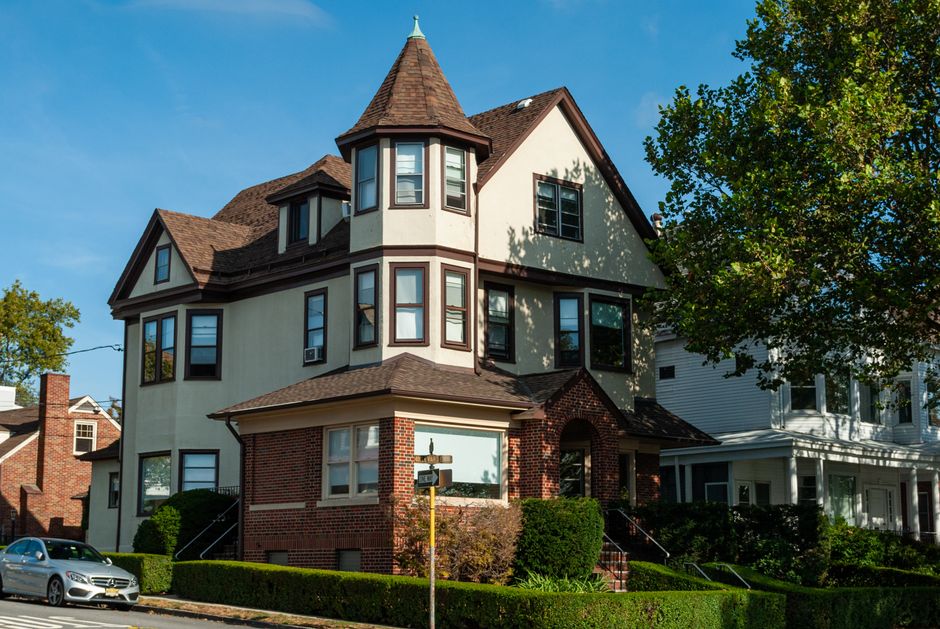
Montclair rent control is real, and it covers many apartments in this New Jersey township. Under montclair rent control, rent on a covered unit can go up only once every 12 months. The raise is capped at 4%, or 2.5% for seniors age 65 or older, according to the Township’s Statement of Rights.
Is Your Unit Covered by Montclair Rent Control?
Coverage depends on the building, not on you. In most cases, montclair rent control applies to every unit in a building with 4 or more units. It also applies to buildings with 2 or 3 units. However, those smaller buildings are covered only when the owner does not live there.
Some rentals are left out. The ordinance does not cover a single-family home. It also does not cover a single condo or co-op unit rented on its own. The Township’s Statement of Rights does not list a cutoff based on the year a building was built. As a result, confirm any date-based exemption directly with the Rent Control Office.
To check a specific address, call the office at 973-509-4956. You can also email [email protected]. For example, ask whether your building is registered and what legal rent is on file. That one call can tell you a lot about montclair rent control and your unit.
| Rule | What it says | Where it comes from |
|---|---|---|
| Buildings with 4+ units | All units covered | Township Statement of Rights, Chapter 257 |
| Buildings with 2-3 units | Covered if the owner does not live there | Township Statement of Rights, Chapter 257 |
| Single-family homes | Not covered | Township Statement of Rights, Chapter 257 |
| Single condo or co-op unit | Not covered | Township Statement of Rights, Chapter 257 |
| Annual increase cap | 4% once every 12 months; 2.5% for seniors 65+ | Township Statement of Rights, Chapter 257 |
| Vacant unit | New starting rent at any amount; then 4% or 2.5% only once every 5 years | Township Statement of Rights, Chapter 257 |
| Time to challenge an increase | 90 days from receiving the notice | Township Statement of Rights, Chapter 257 |
| Statement of Rights | Must be attached to the lease and to every rent increase notice | Section 257-16 |
How Much Rent Can Go Up Under Montclair Rent Control
The cap is simple. Under montclair rent control, your landlord can raise the rent once every 12 months. The raise cannot be more than 4%. If you are 65 or older, the cap is 2.5%. These figures come from the Township’s Statement of Rights as posted in September 2026. The ordinance can be amended, so confirm the current figure with the office before you act.
There are two conditions. First, the unit must be in substantial compliance with building codes. Second, it must be properly registered with the Office of Rent Control. Typically, if either one is missing, the increase may be open to challenge. For example, ask the office whether an unregistered building can legally take the 4% raise.
Vacant units work differently. When a unit becomes vacant, the landlord can set a new starting rent at any amount. After that, increases are 4% (or 2.5% for seniors). However, the Statement of Rights says those increases come only once every 5 years. Ask the office how this rule applies to your unit.
Notice matters too. Section 257-16 says every rent increase notice must come with a separate Statement of Rights attached. The Township’s summary does not list an advance-notice day count or surcharge rules. As a result, confirm those details with the Rent Control Office. New Jersey has no statewide rent cap. So the local montclair rent control ordinance is the main limit on your rent.
Eviction Protections in This City
Montclair’s Statement of Rights focuses on rent, not evictions. However, New Jersey’s state Anti-Eviction Act protects most renters. In most cases, a landlord needs a legal reason, called “good cause,” to evict you. The landlord must also go through court. A landlord cannot change the locks or remove your things on their own.
The Township’s summary does not list relocation payments or special no-fault eviction rules. Montclair rent control limits rent increases, but it does not replace the state eviction process. If your landlord says you must move out, ask the Rent Control Office whether any local rule applies. Also contact a local legal-aid office or tenant attorney right away.
Keep in mind that a big rent increase can also be a pressure tactic. For example, an illegal increase you cannot pay could lead to an eviction filing. As a result, challenging the increase early under montclair rent control may help protect your home.
What to Do If Your Landlord Breaks the Montclair Rent Control Rules
The Rent Control Officer and the Rent Control Board enforce the ordinance. Under montclair rent control, you can challenge your rent or an annual increase. You must do it within 90 days of receiving the notice of rent increase.
Here is how to start. Contact the Montclair Rent Control Office at 205 Claremont Avenue, Montclair, NJ 07042. It is in the Township Municipal Building. Call 973-509-4956 or email [email protected]. Ask for the complaint form and the filing steps. You can also visit the Township of Montclair Rent Control office page and read the Montclair Rent Control FAQ.
Bring proof. For example, bring your lease and the rent increase notice. Bring the Statement of Rights, if you got one. Bring rent receipts, bank records, or canceled checks showing what you paid. If the landlord never gave you a Statement of Rights, say so. Typically, the office can check the registered rent on file for your unit.
📨 Get Free Tenant Rights Guides Alerts
Free · No spam · Unsubscribe anytime
When should you call legal aid? Call right away if you get an eviction notice or court papers. Also call if your landlord threatens you for filing a complaint. A local legal-aid office or tenant attorney can explain your options. They can also help you respond on time.
Frequently Asked Questions
Does montclair rent control apply to my single-family house rental?
No. The ordinance does not cover single-family homes or a single condo or co-op unit rented on its own. You still have state tenant protections, so check with a legal-aid office if you have a problem.
My landlord raised my rent 8%. What can I do?
If your unit is covered, montclair rent control caps annual increases at 4%, or 2.5% for seniors 65+. You have 90 days from receiving the notice to challenge it. Call the Rent Control Office at 973-509-4956, and bring your lease and the notice.
Can my landlord raise the rent after the last tenant moves out?
Yes. On a vacant unit, the landlord may set the starting rent at any amount. After that, the Statement of Rights says increases of 4% or 2.5% come only once every 5 years. Confirm how this applies to your unit with the office.
Protect your stuff while you sort this out
A landlord’s insurance does not cover your belongings — renters insurance does, often for a few dollars a month. Compare options before your next move.
Find Your State’s Exact Rules
Notice periods, deposit caps, and the eviction timeline all change from state to state. Pick your state to see the exact days, dollar limits, and steps that apply where you live.
See Tenant Rights in All 50 States →
Sources & How to Verify
The rules on this page are drawn from official government and legal-aid sources. Tenant law changes, so always confirm the exact rule with your state’s statute or a local legal-aid office.
- HUD: hud.gov — federal renter protections and fair housing
- Legal Services Corporation: lsc.gov — find free legal aid in your state
- Cornell Legal Information Institute: law.cornell.edu/wex — plain-English legal definitions
- Your state statute & court self-help portal: search “[your state] landlord tenant act” and “[your state] court self-help eviction” for the exact law and forms
Content last reviewed September 2026. If you notice outdated information, please contact us.
New Jersey Renter Guides
- New Jersey Eviction Process
- New Jersey Tenant Rights
- New Jersey Security Deposit Law
- New Jersey Rent Increase Laws
- New Jersey Repairs and Habitability
- Breaking a Lease in New Jersey
Related Guides
- Tenant Rights by State (50-State Guide)
- More in This Category
- Tenant Scenarios — What to Do When…
- Notices, Letters & Documents
- Comparison Guides
- Tenant Rights Legal Glossary
Informational only — not legal advice. Tenant Rights Info is an independent educational resource, not a law firm, and this page does not provide legal advice. Landlord-tenant law varies by state and city and changes over time, so always verify the exact rule with your state’s statute, your local court’s self-help portal, or a legal-aid office. For urgent situations like an active eviction, contact a local legal-aid office or a licensed tenant attorney in your state right away.