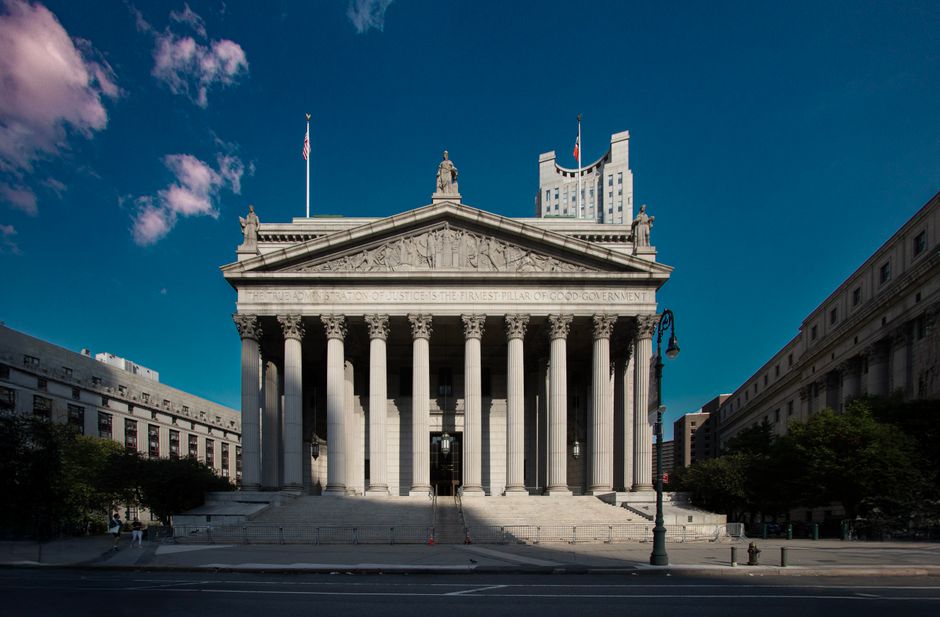
White plains city court is where most landlord-tenant cases for renters in the City of White Plains are heard, including nonpayment and holdover eviction cases. If you are sued in white plains city court for unpaid rent, the date that matters most is 10 days after you were handed the papers. That is when your answer is due.
White Plains City Court: Location, Hours, and Case Lookup
Being sued can feel scary. However, the first steps are simple. Start with the papers you were served. They are usually a “notice of petition” and a “petition.” Look for the index number, the court date, and the courtroom or part. You will need all three.
White plains city court is part of New York’s 9th Judicial District. It hears landlord-tenant cases for homes in the city. The official court page lists the address and hours below. The court’s phone number is not given in the sources we checked. Get the current phone number from the official court page before you call. Do not rely on a number from a third-party website.
| Item | Detail |
|---|---|
| Court | White Plains City Court (9th Judicial District) |
| Address | 77 South Lexington Avenue, White Plains, NY 10601 |
| Hours | Monday–Friday, 9:00 am–5:00 pm (closed state holidays) |
| Phone | Check the official White Plains City Court page |
| Case lookup | Bring your index number to the clerk’s office, or ask the clerk by phone |
| Forms | New York Courts landlord and tenant forms |
For example, if you lost your papers, go to the clerk at white plains city court with your name and address. In most cases, the clerk can find your case that way. Ask for a copy of the petition so you know exactly what your landlord is claiming.
Your Deadlines After You Are Served
New York has set rules for eviction cases outside New York City. The New York courts say the court date must be 10 to 17 days after the landlord finishes serving you. As a result, your time to prepare is short. Typically you have about two weeks, sometimes less.
In a nonpayment case, the court’s help pages say you should answer within 10 days after the papers were given to you. You can answer in writing or out loud at the clerk’s office in white plains city court. Your answer tells the court why you don’t owe all or part of the rent. Those reasons are called “defenses.” For example, bad repairs or a wrong rent amount can be defenses.
A “default” means you lost because you did not answer or did not show up. However, a default is not always the end. In many cases, tenants can ask the court to undo it with an order to show cause. Ask the clerk at white plains city court about the form right away. Holdover cases follow different rules. Confirm your exact deadline with the clerk or a legal-aid lawyer.
What Happens on Your Court Date at White Plains City Court
Arrive early and bring every paper you have. That means your lease, rent receipts, bank records, texts, photos of repair problems, and any letters from your landlord. When you get to white plains city court, check in with the clerk or court officer. Then wait for your case to be called.
In most cases, the landlord or their lawyer will try to talk to you before the judge hears the case. They may offer a deal, called a “stipulation.” Read every word before you sign. Ask if the court has a mediator or a settlement conference. The sources we checked do not say whether white plains city court runs a mediation program, so ask the clerk. You never have to sign a deal you don’t understand. You can ask to see the judge instead.
If there is no deal, the judge holds a hearing. Both sides can speak and show evidence. The judge then decides the case. If the landlord wins, the court may issue a judgment and a warrant of eviction. You may be able to ask for more time to move, called a “stay,” or appeal. The sources we checked do not list those time limits. Confirm them with the clerk or a lawyer the same day. Do not wait.
Free Help in This Courthouse
You don’t have to do this alone. The landlord-tenant clerk’s office at white plains city court can give you forms and explain the steps. Clerks cannot give legal advice. However, they can tell you where to file and which form fits your situation.
A tenant lawyer can make a real difference. Contact a local legal-aid office in Westchester County as soon as you are served. Ask whether free lawyers are available for tenants in white plains city court. If you have an active eviction case, treat this as urgent. Call before your court date, not after.
The New York courts provide free interpreters for court cases. Tell the clerk your language when you check in, or call ahead. If you have a disability, you can ask for an accommodation. The court also has an ADA contact. Details are on the White Plains City Court page.
📨 Get Free Tenant Rights Guides Alerts
Free · No spam · Unsubscribe anytime
Frequently Asked Questions
How do I find my case in white plains city court?
Look at your notice of petition for the index number and court date. Bring that number to the clerk’s office at 77 South Lexington Avenue. If you lost your papers, the clerk can usually search by your name and address.
What if I miss my court date?
The judge may enter a default judgment against you. Go to the clerk at white plains city court right away and ask about an order to show cause to reopen your case. Also call a legal-aid office the same day.
Can I be locked out right after the hearing?
No. In New York, only a court officer with a warrant can carry out an eviction. Your landlord cannot change the locks or remove your things on their own. If that happens, call your local police and a tenant lawyer, and tell white plains city court.
Protect your stuff while you sort this out
A landlord’s insurance does not cover your belongings — renters insurance does, often for a few dollars a month. Compare options before your next move.
Find Your State’s Exact Rules
Notice periods, deposit caps, and the eviction timeline all change from state to state. Pick your state to see the exact days, dollar limits, and steps that apply where you live.
See Tenant Rights in All 50 States →
Sources & How to Verify
The rules on this page are drawn from official government and legal-aid sources. Tenant law changes, so always confirm the exact rule with your state’s statute or a local legal-aid office.
- HUD: hud.gov — federal renter protections and fair housing
- Legal Services Corporation: lsc.gov — find free legal aid in your state
- Cornell Legal Information Institute: law.cornell.edu/wex — plain-English legal definitions
- Your state statute & court self-help portal: search “[your state] landlord tenant act” and “[your state] court self-help eviction” for the exact law and forms
Content last reviewed September 2026. If you notice outdated information, please contact us.
New York Renter Guides
- New York Eviction Process
- New York Tenant Rights
- New York Security Deposit Law
- New York Rent Increase Laws
- New York Repairs and Habitability
- Breaking a Lease in New York
Related Guides
- Tenant Rights by State (50-State Guide)
- More in This Category
- Tenant Scenarios — What to Do When…
- Notices, Letters & Documents
- Comparison Guides
- Tenant Rights Legal Glossary
Informational only — not legal advice. Tenant Rights Info is an independent educational resource, not a law firm, and this page does not provide legal advice. Landlord-tenant law varies by state and city and changes over time, so always verify the exact rule with your state’s statute, your local court’s self-help portal, or a legal-aid office. For urgent situations like an active eviction, contact a local legal-aid office or a licensed tenant attorney in your state right away.