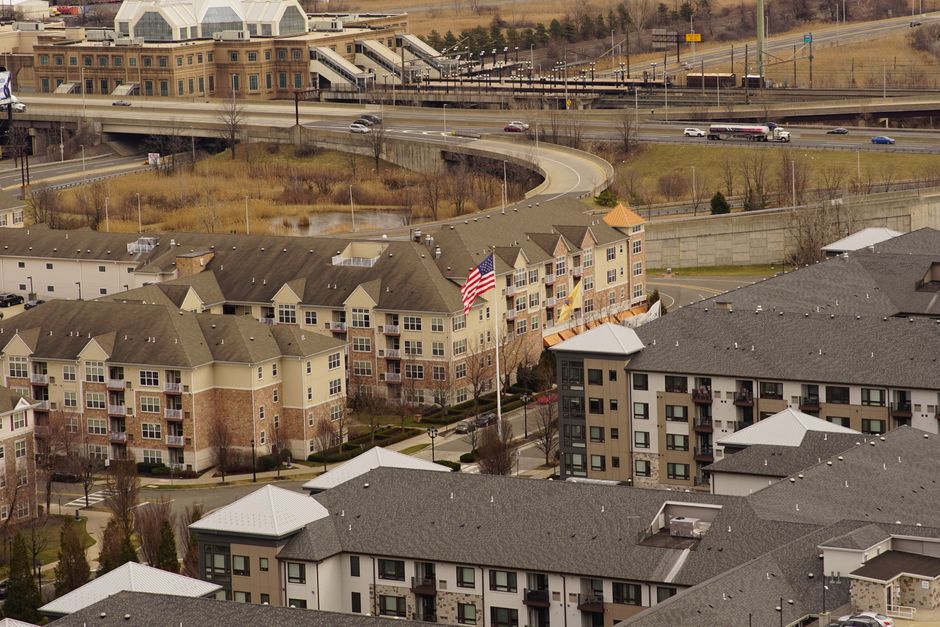
red bank rent control is run by the Borough of Red Bank Rent Leveling Board, which hears and decides disputes between landlords and tenants under the borough’s rent control ordinance. Under red bank rent control, the yearly increase comes from a formula tied to your renewal date, so no single flat percentage is posted for 2026 and your exact figure must be confirmed with the Board.
Is Your Unit Covered by Red Bank Rent Control?
Most tenants start with one question: does red bank rent control apply to my apartment? The answer depends on the borough’s local ordinance, not on state law. In most cases, New Jersey rent ordinances cover many older rental buildings and leave some units out. However, the Board’s official page does not list the exact exemptions. As a result, please don’t guess about your building.
The easiest way to check is to ask the Board directly. Give them your street address and unit number. For example, ask: “Is my unit covered by red bank rent control, and what is my legal rent?” Get the answer in writing if you can. That record matters if you ever need to challenge an increase.
| Rule | What it says | Where it comes from |
|---|---|---|
| Who decides disputes | The Board hears and decides landlord-tenant issues under the rent control ordinance | Borough of Red Bank Rent Leveling Board |
| Which units are covered | Set by the local ordinance. Confirm your address with the Board. | Red Bank local rent ordinance |
| Exemptions | Some units may be exempt. The Board’s page does not list them, so confirm with the Board. | Red Bank local rent ordinance |
| Allowed yearly increase | Based on a Consumer Price Index formula. No flat 2026 figure is posted, so confirm with the Board. | Red Bank local rent ordinance |
| Reasons for eviction | A landlord needs a legal reason (“good cause”) to evict most tenants | New Jersey Anti-Eviction Act |
How Much Rent Can Go Up Under Red Bank Rent Control
Here is the honest answer. The Board’s official page does not post one flat percentage for the lease year beginning in 2026. Under red bank rent control, the allowed increase comes from a formula in the local ordinance. The formula depends on when your lease renews. As a result, two neighbors in the same building may have slightly different legal increases.
The formula for red bank rent control is based on the Consumer Price Index. That is a government measure of inflation. However, the exact number for your renewal date should come from the Board. Do not simply accept the number your landlord gives you. For example, ask the Board to check the math on your renewal notice before you sign.
A landlord may also ask the Board for an extra increase, such as for a major improvement or financial hardship. Those requests typically go through the Board, and tenants may be able to weigh in. New Jersey has no statewide rent cap. As a result, red bank rent control is the main limit on your increase. Ask the Board what written notice your landlord must give before a new rent starts.
Eviction Protections in This City
A rent limit only helps if you can’t be pushed out. In New Jersey, most tenants are protected by the state Anti-Eviction Act. Under that law, a landlord needs a legal reason, called “good cause,” to evict. Examples include not paying rent or serious lease violations. However, a landlord shouldn’t use eviction to get around the red bank rent control limit.
In most cases, refusing an increase above the red bank rent control limit is not a lawful reason to evict you. If your landlord files for eviction soon after you question an increase, write down the dates. That timing may matter in court. The Board’s official page does not list any local relocation payment. Ask the Board or legal aid whether any relocation help applies to you.
What to Do If Your Landlord Breaks the Rule
Your main local office is the Borough of Red Bank Rent Leveling Board. It hears and decides disputes between landlords and tenants under red bank rent control. Contact details and meeting information are on the Borough’s Rent Leveling Board page. Call or email first. Ask how to file a complaint and whether there is a form.
Bring papers that tell your story. For example, bring your current and past leases, rent receipts or bank records, and the increase notice. Also bring any texts or emails with your landlord. Write a short timeline with dates. Then ask the Board to confirm your legal rent under red bank rent control.
In most cases, keep paying the legal rent while your complaint is pending. Ask the Board or legal aid before you hold back any money. If you have an eviction case, a lockout, or no heat, call legal aid right away. Legal Services of New Jersey helps low-income tenants across the state. A tenant attorney can also explain your red bank rent control rights and options.
Frequently Asked Questions
Does red bank rent control apply to every apartment in Red Bank?
📨 Get Free Tenant Rights Guides Alerts
Free · No spam · Unsubscribe anytime
Not always. Coverage depends on the local ordinance and your building. Ask the Rent Leveling Board to check your address and unit.
What is the allowed rent increase for 2026?
The Board’s page does not post one flat 2026 percentage. Under red bank rent control, the increase comes from a Consumer Price Index formula tied to your renewal date. Ask the Board to confirm your exact figure before you pay.
Can my landlord evict me for complaining?
In most cases, New Jersey law protects tenants who use their legal rights, including filing a red bank rent control complaint. Keep records of every date and message. If you get eviction papers, contact legal aid right away.
Protect your stuff while you sort this out
A landlord’s insurance does not cover your belongings — renters insurance does, often for a few dollars a month. Compare options before your next move.
Find Your State’s Exact Rules
Notice periods, deposit caps, and the eviction timeline all change from state to state. Pick your state to see the exact days, dollar limits, and steps that apply where you live.
See Tenant Rights in All 50 States →
Sources & How to Verify
The rules on this page are drawn from official government and legal-aid sources. Tenant law changes, so always confirm the exact rule with your state’s statute or a local legal-aid office.
- HUD: hud.gov — federal renter protections and fair housing
- Legal Services Corporation: lsc.gov — find free legal aid in your state
- Cornell Legal Information Institute: law.cornell.edu/wex — plain-English legal definitions
- Your state statute & court self-help portal: search “[your state] landlord tenant act” and “[your state] court self-help eviction” for the exact law and forms
Content last reviewed September 2026. If you notice outdated information, please contact us.
New Jersey Renter Guides
- New Jersey Eviction Process
- New Jersey Tenant Rights
- New Jersey Security Deposit Law
- New Jersey Rent Increase Laws
- New Jersey Repairs and Habitability
- Breaking a Lease in New Jersey
Related Guides
- Tenant Rights by State (50-State Guide)
- More in This Category
- Tenant Scenarios — What to Do When…
- Notices, Letters & Documents
- Comparison Guides
- Tenant Rights Legal Glossary
Informational only — not legal advice. Tenant Rights Info is an independent educational resource, not a law firm, and this page does not provide legal advice. Landlord-tenant law varies by state and city and changes over time, so always verify the exact rule with your state’s statute, your local court’s self-help portal, or a legal-aid office. For urgent situations like an active eviction, contact a local legal-aid office or a licensed tenant attorney in your state right away.