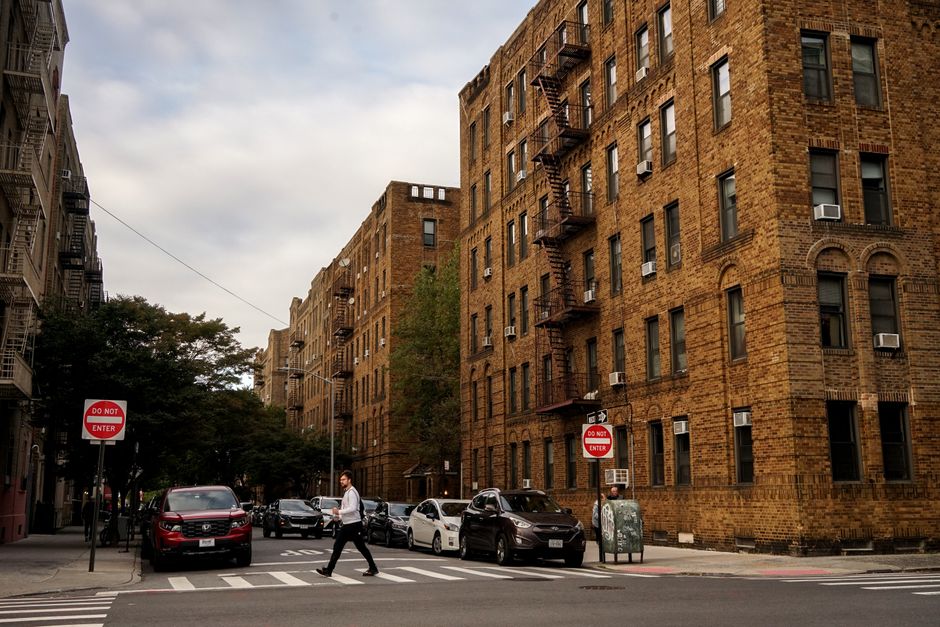
Fort Lee rent control is real, and it covers many apartments in the borough. It is run by the Fort Lee Rent Leveling Board under the Borough’s Rent Control Ordinance, Chapter 324. The exact yearly increase allowed under fort lee rent control depends on your lease period. Confirm that figure with the Board before you pay any raise.
Is Your Unit Covered by Fort Lee Rent Control?
Coverage comes from one place: Chapter 324 of the Borough code. That ordinance decides which buildings and units fall under fort lee rent control. In most cases, if you rent an apartment in an older multi-unit building, it is worth checking. Don’t assume you are left out just because your landlord says so.
Some buildings may be exempt. For example, New Jersey law lets owners of some newly built buildings claim an exemption for a set period. Chapter 324 may also list its own exemptions. However, an exemption usually has to be on file. As a result, the Board is the best place to check your specific building.
To check your address, contact the Board through its official page. Give your street address and unit number. Ask two questions: “Is my building covered by fort lee rent control?” and “Is any exemption on file for it?” Write down the name of the person you spoke with and the date.
| Rule | What it says | Where it comes from |
|---|---|---|
| Who runs the program | The Fort Lee Rent Leveling Board | Borough of Fort Lee |
| The governing law | Rent Control Ordinance, Chapter 324 | Fort Lee Borough code |
| Which units are covered | Set by Chapter 324; confirm your address with the Board | Chapter 324 |
| Allowed yearly increase | Set under Chapter 324; confirm the percent for your lease period with the Board | Chapter 324 / Rent Leveling Board |
| Building exemptions | Must be confirmed with the Board for your building | Chapter 324 and New Jersey law |
| Reduced increases for some tenants | An application process exists; ask the Board if you qualify | Chapter 324 / Rent Leveling Board |
| Where to complain | Fort Lee Rent Leveling Board | Borough of Fort Lee |
How Much Rent Can Go Up Under Fort Lee Rent Control
The cap on yearly increases is set under Chapter 324. We could not confirm the exact percent for the lease year beginning in 2026 from the official source. So we won’t print a number we can’t back up. Instead, ask the Board in writing: “What is the maximum allowed increase for a lease renewing on [your date]?”
Some landlords ask for more than the normal cap. For example, a landlord may claim a hardship or pass along the cost of a building improvement. In most cases, an increase above the normal fort lee rent control limit needs Board approval first. As a result, a big surprise increase with no Board paperwork is a red flag. Ask your landlord for a copy of any approval.
Some tenants may pay less than the standard increase. Chapter 324 has a process to apply for a reduced increase percentage. Ask the Board if you qualify, especially if you are a senior or have a disability. Also, your landlord should give you written notice before any increase takes effect. Confirm the notice rules with the Board.
New Jersey has no statewide rent cap. However, state law does bar “unconscionable” increases, even in towns without rent control. In Fort Lee, the local fort lee rent control ordinance gives you more specific protection on top of that.
Eviction Protections in This City
Most New Jersey renters are protected by the state’s Anti-Eviction Act. Typically, a landlord needs a legal reason listed in that law to evict you. Nonpayment of lawful rent and serious lease violations are common examples. Also, only a judge can order an eviction. A landlord who changes the locks or removes your things without a court order is breaking the law.
Fort lee rent control and state eviction law work together. In most cases, a landlord can’t lawfully evict you just for refusing an increase that breaks fort lee rent control. However, keep paying your lawful rent on time. That way, your landlord has no real nonpayment claim against you. Check with legal aid before you hold back any money.
We could not confirm any Fort Lee relocation payment amounts from the official source. If your landlord asks you to leave for a no-fault reason, like taking the unit off the market, ask the Board what applies. Also contact a legal-aid office before you agree to move.
What to Do If Your Landlord Breaks the Rule
Start by gathering proof. Bring your lease, any rent increase notice, and your rent receipts or bank records. Add any texts, emails, or letters from your landlord. Make copies and keep the originals safe. Good records make a fort lee rent control complaint much stronger.
Next, contact the Fort Lee Rent Leveling Board. Ask how to file a complaint and whether there is a form. Ask about any filing steps, hearing dates, and deadlines. For example, you may want to challenge an increase above the cap. The Board handles fort lee rent control disputes like this.
📨 Get Free Tenant Rights Guides Alerts
Free · No spam · Unsubscribe anytime
Call legal aid if things get serious. That includes a court filing, a lockout, or a threat to evict you. Legal Services of New Jersey offers free help to many low-income renters. The New Jersey Courts also have self-help resources for tenants. You don’t have to face this alone.
Frequently Asked Questions
Does fort lee rent control apply to my apartment?
It may. Coverage is set by Chapter 324, and some buildings may be exempt. Contact the Rent Leveling Board with your address to confirm.
What is the maximum rent increase in Fort Lee for 2026?
The cap is set under fort lee rent control, but you should confirm the exact percent for your lease period with the Board. Ask in writing so you have a record. Don’t pay more than the cap until you know the approved figure.
Can my landlord evict me for complaining to the Board?
New Jersey law protects tenants from retaliation for asserting their rights. Many tenants can raise retaliation as a defense in court. If this happens to you, call a legal-aid office right away.
Protect your stuff while you sort this out
A landlord’s insurance does not cover your belongings — renters insurance does, often for a few dollars a month. Compare options before your next move.
Find Your State’s Exact Rules
Notice periods, deposit caps, and the eviction timeline all change from state to state. Pick your state to see the exact days, dollar limits, and steps that apply where you live.
See Tenant Rights in All 50 States →
Sources & How to Verify
The rules on this page are drawn from official government and legal-aid sources. Tenant law changes, so always confirm the exact rule with your state’s statute or a local legal-aid office.
- HUD: hud.gov — federal renter protections and fair housing
- Legal Services Corporation: lsc.gov — find free legal aid in your state
- Cornell Legal Information Institute: law.cornell.edu/wex — plain-English legal definitions
- Your state statute & court self-help portal: search “[your state] landlord tenant act” and “[your state] court self-help eviction” for the exact law and forms
Content last reviewed September 2026. If you notice outdated information, please contact us.
New Jersey Renter Guides
- New Jersey Eviction Process
- New Jersey Tenant Rights
- New Jersey Security Deposit Law
- New Jersey Rent Increase Laws
- New Jersey Repairs and Habitability
- Breaking a Lease in New Jersey
Related Guides
- Tenant Rights by State (50-State Guide)
- More in This Category
- Tenant Scenarios — What to Do When…
- Notices, Letters & Documents
- Comparison Guides
- Tenant Rights Legal Glossary
Informational only — not legal advice. Tenant Rights Info is an independent educational resource, not a law firm, and this page does not provide legal advice. Landlord-tenant law varies by state and city and changes over time, so always verify the exact rule with your state’s statute, your local court’s self-help portal, or a legal-aid office. For urgent situations like an active eviction, contact a local legal-aid office or a licensed tenant attorney in your state right away.