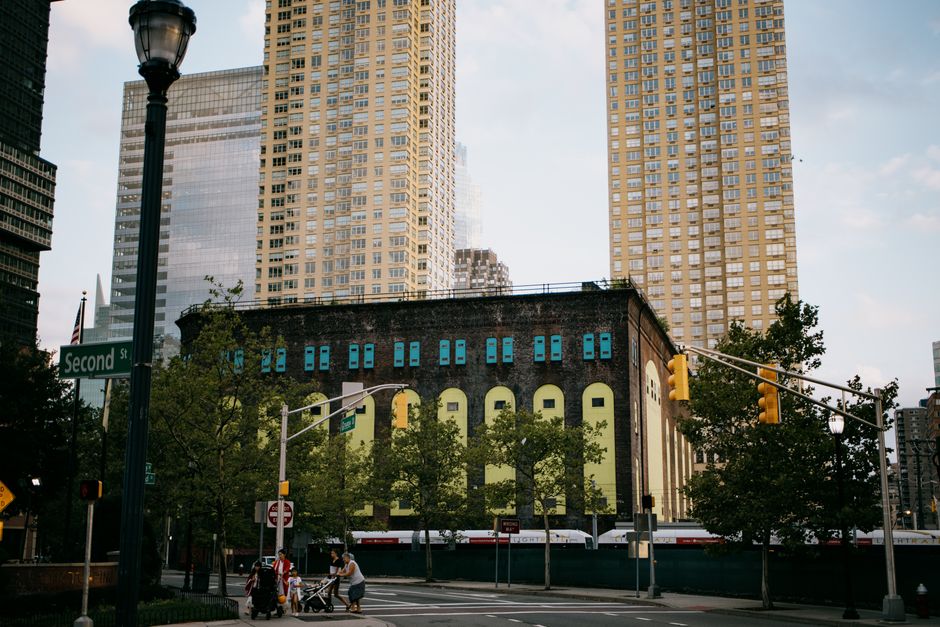
Hackensack rent control is enforced by the city’s Rent Stabilization Board under Chapter 134 of the city code. Under hackensack rent control, only qualified seniors have a posted cap: 3½%, or 4% if the landlord pays heat.
- September 29, 2026 — City Rent Control / Tenant Ordinance: Hackensack adopted a rent-control change on June 16, 2026 that ends the blanket exemption for buildings built or first rented after August 2, 1982: newer buildings with more than three units are now exempt only until their original mortgage is paid off or for 30 years after construction, whichever comes first, and yearly increases stay capped at 5% if the landlord pays heat, 4.5% if you do, and 4% or 3.5% for qualified seniors. (source) (effective 2026-06-16)
Is Your Unit Covered by Hackensack Rent Control?
The first question is simple. How many units are in your building? The city’s Tenant Complaint Form asks, “Is it more than Three (3) Units?” If the answer is no, the form says your complaint is “statutorily excluded” from the Board’s jurisdiction. In most cases, that means hackensack rent control only protects renters in buildings with four or more units.
The form also asks whether your landlord lives in the same building. That question matters in many New Jersey towns. However, the city’s rent page does not spell out every exemption. For example, it does not list rules for new construction or condos. As a result, you should ask the Board about your exact address before you assume anything.
| Rule | What it says | Where it comes from |
|---|---|---|
| Building size | Complex must have more than 3 units for the Board to hear a complaint | City Tenant Complaint Form |
| Senior cap (tenant pays heat) | 3½% per year for qualified senior tenants | 2026 Qualified Senior Tenant application (Ordinance #10-97) |
| Senior cap (landlord pays heat) | 4% per year for qualified senior tenants | 2026 Qualified Senior Tenant application (Ordinance #10-97) |
| Senior income limit | Household income must not exceed $62,531.00 | 2026 Qualified Senior Tenant application |
| Increase notice | Written notice at least 30 days before the proposed increase date | City Tenant Complaint Form |
| Complaint filing fee | $25.00, check or money order to the City of Hackensack | City Tenant Complaint Form |
You can check coverage by calling the Board Secretary at (201) 646-3920 ext. 2020. You can also email [email protected]. Checking coverage is the first step in any hackensack rent control question. The full ordinance is linked from the City of Hackensack Rent Board page.
How Much Rent Can Go Up Under Hackensack Rent Control
For most tenants, the city’s rent page does not post a current percentage cap. That number must be confirmed with the Rent Stabilization Board or read in Chapter 134. Do not rely on a figure from a neighbor or a website. Hackensack rent control figures can change. Only the Board can tell you what applies to your lease today.
Seniors get a clearer rule. If you are at least 62, you may apply for “qualified senior tenant” status. A surviving spouse of such a tenant can apply at age 50 or older. Once approved, yearly increases are limited to 3½% if you pay for heat. The limit is 4% if your landlord provides heat. The 2026 application sets a household income limit of $62,531.00. You will need proof of age, income papers, and the front page of your latest tax return.
Landlords can ask the Board for bigger increases. The city’s landlord form lists five types: hardship, tax, standard, capital improvement, and other. Each request costs the landlord a $25.00 filing fee. The landlord must also have a Statutory Landlord Disclosure on file with the City Clerk. The form also asks whether the landlord sent you notice by certified mail, return receipt requested. Under hackensack rent control, a surcharge is not automatic. It typically needs Board review first.
Eviction Protections in This City
Hackensack rent control limits rent, but eviction protection comes mostly from state law. New Jersey’s Anti-Eviction Act requires most landlords to have a legal “good cause” to evict. For example, nonpayment of rent or serious lease violations can be causes. Simply wanting a higher-paying tenant is typically not one. The city’s rent page does not list any local relocation payment amounts.
A landlord cannot legally lock you out or remove your things on their own. In New Jersey, only a court can order an eviction. As a result, if you get court papers, take them seriously. Read every page. Write down each date on them. Then call a local legal-aid office or tenant attorney the same day.
Hackensack rent control complaints and eviction cases are separate. However, an illegal rent increase may be part of your defense. If you were charged more than the law allows, tell the court and your lawyer.
What to Do If Your Landlord Breaks the Rule
The Board is the office that enforces hackensack rent control, so start there. Fill out the Tenant Complaint Form, which is linked on the Hackensack Rent Board page. The form asks about your lease, your rent, and your landlord. It also asks whether you reported the problem to your landlord or to city officials. Describe your complaint in plain words. Attach any helpful documents.
📨 Get Free Tenant Rights Guides Alerts
Free · No spam · Unsubscribe anytime
Bring these papers with your hackensack rent control complaint:
- A copy of your current lease
- A copy of your previous lease (the form says this is mandatory)
- Rent receipts or canceled checks from the last six months
- Photos, if they help your case
- The $25.00 filing fee, by check or money order to the City of Hackensack
The Board Secretary is Bridget McLaughlin at (201) 646-3920 ext. 2020. The city’s Building Department is at 216 Union Street, Hackensack, NJ 07601. City Hall is at 65 Central Ave, (201) 646-3980. Board agendas are posted on the city’s rent page. If you face an eviction, do not wait for the Board. Call a legal-aid office right away.
Frequently Asked Questions
Does hackensack rent control cover my duplex or three-family house?
Probably not. The city’s complaint form says buildings with three units or fewer are outside the Board’s jurisdiction. Call the Board Secretary to confirm your exact address.
What is the current yearly cap under hackensack rent control?
For qualified senior tenants, the cap is 3½% if you pay heat and 4% if the landlord pays heat. The city’s rent page does not post the general cap for other tenants. You must confirm it with the Rent Stabilization Board or Chapter 134.
Can I refuse to pay an increase I think is illegal?
You may be able to challenge it, but stopping rent payments can put you at risk of eviction. Many tenants keep paying the old rent and file a complaint with the Board. Check with a legal-aid office before you withhold anything.
Protect your stuff while you sort this out
A landlord’s insurance does not cover your belongings — renters insurance does, often for a few dollars a month. Compare options before your next move.
Find Your State’s Exact Rules
Notice periods, deposit caps, and the eviction timeline all change from state to state. Pick your state to see the exact days, dollar limits, and steps that apply where you live.
See Tenant Rights in All 50 States →
Sources & How to Verify
The rules on this page are drawn from official government and legal-aid sources. Tenant law changes, so always confirm the exact rule with your state’s statute or a local legal-aid office.
- HUD: hud.gov — federal renter protections and fair housing
- Legal Services Corporation: lsc.gov — find free legal aid in your state
- Cornell Legal Information Institute: law.cornell.edu/wex — plain-English legal definitions
- Your state statute & court self-help portal: search “[your state] landlord tenant act” and “[your state] court self-help eviction” for the exact law and forms
Content last reviewed September 2026. If you notice outdated information, please contact us.
New Jersey Renter Guides
- New Jersey Eviction Process
- New Jersey Tenant Rights
- New Jersey Security Deposit Law
- New Jersey Rent Increase Laws
- New Jersey Repairs and Habitability
- Breaking a Lease in New Jersey
Related Guides
- Tenant Rights by State (50-State Guide)
- More in This Category
- Tenant Scenarios — What to Do When…
- Notices, Letters & Documents
- Comparison Guides
- Tenant Rights Legal Glossary
Informational only — not legal advice. Tenant Rights Info is an independent educational resource, not a law firm, and this page does not provide legal advice. Landlord-tenant law varies by state and city and changes over time, so always verify the exact rule with your state’s statute, your local court’s self-help portal, or a legal-aid office. For urgent situations like an active eviction, contact a local legal-aid office or a licensed tenant attorney in your state right away.