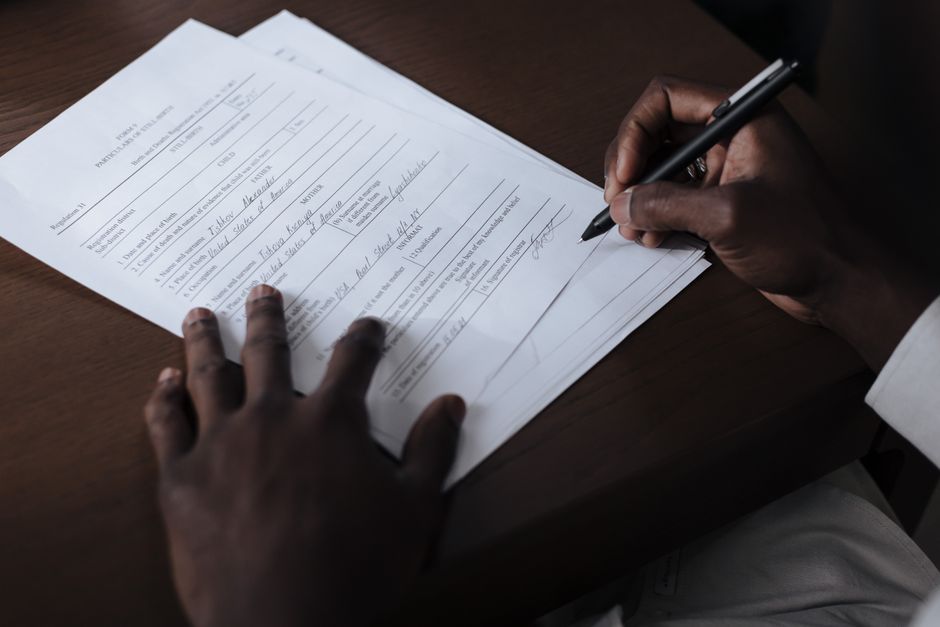
Notice to cure NYC landlords send is a warning letter. It says you broke a lease rule and gives you a set number of days to fix it. It is not an eviction. You do not have to move out. However, if you ignore a notice to cure NYC landlords serve, they can end your tenancy and take you to Housing Court. The good news is that the cure period is your protection.
If you fix the problem in time, the landlord’s case usually falls apart.
When and Why to Use a Notice to Cure NYC
Landlords use a notice to cure NYC form for lease problems other than unpaid rent. Common examples are an unapproved roommate, a pet, noise, blocked hallways, an illegal sublet, or refusing access for repairs. Unpaid rent is different. For rent, the landlord must first send a 14-day rent demand under New York law.
For rent-stabilized tenants, the Rent Stabilization Code requires a notice to cure before most lease-violation cases. The landlord must give you at least 10 days to fix the problem. As a result, a landlord who skips this step typically cannot win the case. You can read the rule at the NYS Homes and Community Renewal rent regulation page.
Many market-rate tenants are now covered by New York’s Good Cause Eviction Law. It lets a landlord evict for a lease violation only after written notice and a reasonable chance to cure. In most cases, your written lease also sets its own cure period. Whether your apartment is regulated or not, a notice to cure NYC landlords serve starts a clock you should take seriously.
Responding to a Notice to Cure NYC: What to Include (and What to Leave Out)
First, read the notice closely. A valid notice to cure NYC landlords send should name the lease clause you allegedly broke. It should describe facts, like dates and what happened. It should also state a clear cure deadline. Vague notices can be fatally defective. For example, “tenant is creating a nuisance” with no details may not be enough.
Your reply should be short and factual. Include your name, address, and apartment number. Include the date of the notice you received. Say exactly what you did to fix the problem, and when. If the claim is wrong, say so calmly and explain why. Attach proof, such as photos, receipts, or a letter from the pet’s vet or a doctor.
Leave out insults, threats, and long stories. Do not admit to anything you did not do. Also, do not sign anything the landlord hands you without reading it first. Anything you write can be used in court. As a result, stick to facts about your notice to cure NYC response.
| Notice or step | Who it applies to | Exact time frame |
|---|---|---|
| Notice to cure (lease violation) | Rent-stabilized tenants (9 NYCRR 2524.3) | At least 10 days to cure |
| Termination notice after failing to cure | Rent-stabilized tenants (9 NYCRR 2524.2) | At least 7 days before the case is filed |
| Rent demand (unpaid rent, not a cure notice) | All NY residential tenants (RPAPL 711) | 14 days to pay |
| Cure after losing a lease-violation case | NYC tenants (RPAPL 753(4)) | 30-day stay to fix the breach |
| Notice to cure under Good Cause Eviction | Many covered market-rate tenants (RPL 216) | A “reasonable time” after written notice; check your lease |
Sample Template You Can Adapt
Use this sample to reply to a notice to cure NYC landlords serve. Change every bracketed part to fit your facts.
Sample template – adapt to your state and your situation. This is an informational sample, not legal advice.
[Your Name]
[Your Street Address, Apartment Number]
[City], NY [ZIP]
[Date]
VIA CERTIFIED MAIL, RETURN RECEIPT REQUESTED
[Landlord or Managing Agent Name]
[Landlord Address]
Re: Response to Notice to Cure dated [date on the notice], [Your Address, Apartment Number]
Dear [Landlord Name]:
I received your Notice to Cure dated [date] on [date you received it]. The notice claims that I [describe the claim exactly as written in the notice].
[Option A – you fixed it:] On [date], before the cure deadline of [cure deadline date], I cured this issue by [describe what you did]. I have attached [photos / receipts / other proof].
[Option B – the claim is wrong:] This claim is not accurate. [Explain the facts briefly, for example: “The person named is my brother, who is an authorized occupant under Real Property Law Section 235-f.”] I have attached [proof].
Please confirm in writing that this matter is resolved. Please send any future notices to me at the address above. I am keeping a copy of this letter and all attachments.
📨 Get Free Tenant Rights Guides Alerts
Free · No spam · Unsubscribe anytime
Sincerely,
[Your Signature]
[Your Printed Name]
[Phone Number] [Email]
Enclosures: [list each attachment]
How to Send Your Notice to Cure NYC Reply So It Counts
Send your reply by certified mail with a return receipt. That gives you proof of the date it was mailed and received. Many tenants also send a copy by regular mail and by email if the landlord uses email. If you hand-deliver it, get a dated signature on your copy.
Keep a folder with everything. Save the notice, the envelope, your reply, the mail receipts, and your photos. Take dated photos showing the problem was fixed. For example, photograph a cleared hallway or a removed washing machine. Typically, this paper trail is what wins cases in Housing Court.
If the landlord then sends a termination notice or court papers, do not ignore them. NYC has a Right to Counsel program for many tenants facing eviction. Call 311 or visit the NYC Office of Civil Justice tenant legal services page. You can also find free help at LawHelpNY or the NY CourtHelp housing page.
Frequently Asked Questions
Does a notice to cure NYC mean I am being evicted?
No. It is a warning, not an eviction order. Only a judge can order an eviction in New York. However, if you fail to cure, the landlord may move to end your tenancy and file a case.
What if I miss the deadline on my notice to cure NYC?
You may still have options. In NYC, if a judge finds you broke the lease, RPAPL 753(4) gives you 30 days to fix the breach before an eviction can go forward. Check with your court or a local legal-aid office right away.
What if the claim in the notice is false?
Reply in writing and explain why, with proof. Keep a copy. If the landlord files a case, you can raise this defense in Housing Court. A legal-aid lawyer can also check whether the notice itself was defective.
Protect your stuff while you sort this out
A landlord’s insurance does not cover your belongings — renters insurance does, often for a few dollars a month. Compare options before your next move.
Find Your State’s Exact Rules
Notice periods, deposit caps, and the eviction timeline all change from state to state. Pick your state to see the exact days, dollar limits, and steps that apply where you live.
See Tenant Rights in All 50 States →
Sources & How to Verify
The rules on this page are drawn from official government and legal-aid sources. Tenant law changes, so always confirm the exact rule with your state’s statute or a local legal-aid office.
- HUD: hud.gov — federal renter protections and fair housing
- Legal Services Corporation: lsc.gov — find free legal aid in your state
- Cornell Legal Information Institute: law.cornell.edu/wex — plain-English legal definitions
- Your state statute & court self-help portal: search “[your state] landlord tenant act” and “[your state] court self-help eviction” for the exact law and forms
Content last reviewed September 2026. If you notice outdated information, please contact us.
New York Renter Guides
- New York Eviction Process
- New York Tenant Rights
- New York Security Deposit Law
- New York Rent Increase Laws
- New York Repairs and Habitability
- Breaking a Lease in New York
Related Guides
- Tenant Rights by State (50-State Guide)
- More in This Category
- Tenant Scenarios — What to Do When…
- Notices, Letters & Documents
- Comparison Guides
- Tenant Rights Legal Glossary
Informational only — not legal advice. Tenant Rights Info is an independent educational resource, not a law firm, and this page does not provide legal advice. Landlord-tenant law varies by state and city and changes over time, so always verify the exact rule with your state’s statute, your local court’s self-help portal, or a legal-aid office. For urgent situations like an active eviction, contact a local legal-aid office or a licensed tenant attorney in your state right away.